










































3 negatives and 3 positives from World Press Freedom Day
Author: BBC Media Action's Director of Policy and Learning James Deane, originally posted on May 5 2017 - Given the troubling global backdrop, World Press Freedom Day arguably needed a name change in 2017. Marked annually by a gathering organised by UNESCO, this year's 'celebration' in Jakarta may not have been particularly joyous, but it was certainly more important than ever.
Reflecting on the conversations and debates held in Indonesia, I’ve arrived at three reasons to be worried and three grounds for optimism. I’ll start off gloomy and end on a more upbeat note.
1. There’s been an extraordinary and horrifying leap in the number of journalists imprisoned, attacked or killed. This trend is driven by once democratic or democratising regimes turning increasingly authoritarian and is well documented in the various reports published to coincide with the Day.
2. The global norm that media freedom should be protected is eroding. Its not-so-gradual deterioration is driven by the rising influence of non-democratic regimes, as well as decreasing willingness in the West – especially in the US – to stand up for press freedom, whether at home or abroad. These trends appear to be giving great succour to authoritarians, both established and emergent, to lock up or otherwise clamp down on those who publish inconvenient content.
3. Brewing concerns over misinformation, disinformation, echo chambers, filter bubbles, hate content and extremism have reached a boiling point. Long bubbling under the surface, these increasingly characterise our century’s information space.
This is not the future the digital evangelists promised. Hope – that we’d live in a digitally connected global society, populated with better informed, more empowered citizens, all working together to overthrow authoritarians and peacefully negotiate their differences, living harmoniously in more democratic, accountable and peaceful polities – has decisively faded.
Picking up the pieces of this failed vision, tech giants at the conference (who to their credit engaged actively and prominently) focused on how to rebuild trust, combat misinformation and inoculate their networks from the growing hate and extremism infecting them.
--
Yet amidst all this darkness, there were some glimmers of light:
1. Sheer courage and extraordinary journalism continue to be seen around the world in increasingly hostile and dangerous conditions. The profession is rediscovering its confidence and relevance in uncovering the corruption that invariably comes with growing authoritarianism, leading citizens to appreciate it more.
2. Despair isn’t universal. The conference was hosted – a better term would be championed – by the Indonesian government. The world’s fourth most populous country and largest Muslim nation is an increasingly international champion of democracy, freedom and tolerance.
Indonesia’s own record on media freedom is far from pristine. But the country’s enthusiastic hosting of this conference (organised by the Indonesian Press Council) reminds us that media freedom isn’t simply a Western concept.
Indeed, World Press Freedom Day itself was not a European or American invention. The day actually has its roots in the Windhoek Declaration, adopted by a meeting of African journalists in 1991. As the ‘West’ loses its moral leadership on these issues, there are at least some signs that others can and will take its place.
3. The role of public service media seems more relevant than ever. Already ailing from the collapse of its economic model and hard-hit by the whirlwind of digital technology, public interest journalism now has revitalised its energy and purpose.
Journalists are rising to the challenge of growing concerns over public mistrust in established sources of information and social media’s role in spreading falsehoods. Broadcasters like the BBC, which aim to offer something to everyone, certainly have to work ever harder to keep being seen as reliable and relevant by all of their audiences.
--
As for BBC Media Action, I believe a major reason our work is valued by our 150+ partners is that we support genuinely independent media organisations, which serve all of society, whether in Libya, Tanzania or Nepal.
Last year, we reached more than 100 million people through our support of democratic governance programmes. The sheer size of this audience suggests that people – rich and poor, rural and urban alike – want the media to provide reliable information and rigorous debate, so that they can make up their own minds about the issues they face.
It’s certainly been a gloomy year for media freedom but, if I took anything away from the conversations in Jakarta, it’s that the outlook is far from hopeless.
James Deane is Director of Policy and Learning at BBC Media Action. He tweets as @JamesMDeane.
Click here to access this BBC Media Action Insight blog.
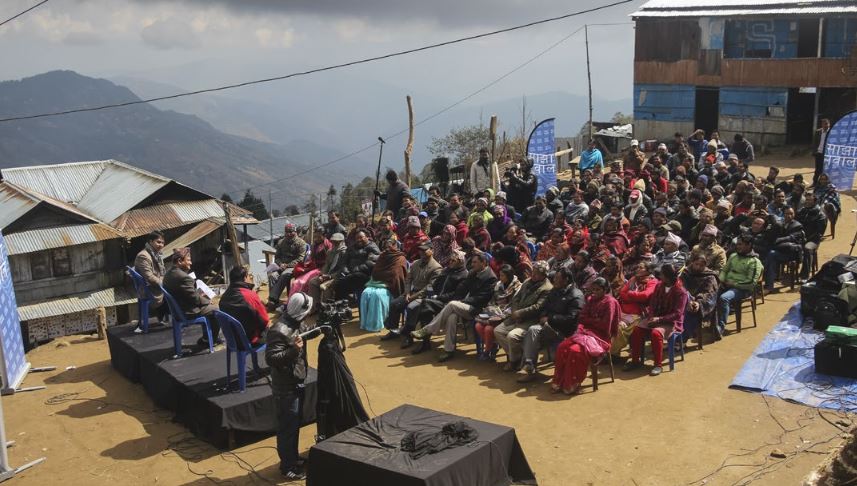
Image credit: BBC Media Action
Contact:
BBC Media Action
BBC Media Centre, MC3A, 201 Wood Lane
London
W12 7TQ
United Kingdom (UK)
Phone: 44 (0) 20 8008 0001
Fax: 44 (0) 20 8008 5970
Media.action@bbc.co.uk
- Log in to post comments