











































Breaking the Silence on Violence against Indigenous Girls, Adolescents and Young Women
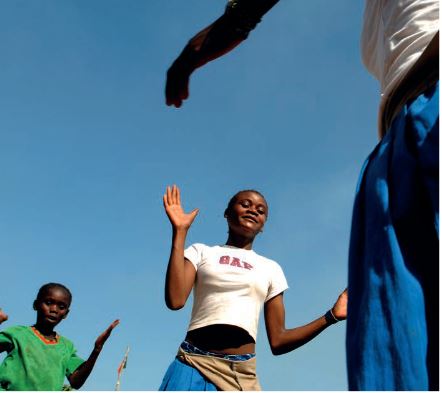
This collaborative study aims to provide a deeper understanding of the magnitude, nature, and context of violence experienced specifically by indigenous girls, adolescents, and young women. Drawing on examples from Africa, Asia-Pacific, and Latin America, the study assesses the interface between the historical, political, economic, social, and cultural contexts of indigenous peoples and examines the types of violence they face, their prevalence, and the settings in which they take place. The report looks at different interventions underway and offers insights and recommendations - including a set of guiding principles - to accelerate progress and action to protect and prevent violence against indigenous girls and women in all its forms. Collaborators are: the United Nations Population Fund (UNFPA), the United Nations Children's Fund (UNICEF), UN Women, the International Labour Organization (ILO), and the Special Representative of the Secretary-General on Violence against Children (OSRSG/VAC).
The study provides evidence that indigenous girls, adolescents, and young women face a higher prevalence of violence, harmful practices, labour exploitation, and harassment and are more vulnerable to sexual violence in armed conflicts. It also underscores that violence against indigenous girls and women cannot be separated from the wider contexts of discrimination and exclusion to which indigenous peoples as a whole are often exposed in social, economic, cultural, and political life.
Examples illustrate addressing discrimination and violence against women and engaging with indigenous girls and women to implement accessible initiatives geared towards ending the cycle of violence and impunity that result from colonial domination, continued discrimination, limited access to social services, dispossession from ancestral
lands, militarisation and inter-communal conflicts, and patriarchal value systems of indigenous and wider
societies.
Recommendations include the following:
Further research:
1. Increase opportunistic data collection, analysis, reporting, and monitoring.
2. Address existing gaps in knowledge.
3. Integrate issues affecting indigenous girls and young women into the procedures of national, regional, and global human rights monitoring and reporting systems.
Prevention:
4. Tackle discrimination and gender inequality, including taking steps to embark upon rigorous law reforms to align national and customary laws with international standards and to establish legal guarantees on the prohibition of violence; eliminate de facto and de jure discrimination against indigenous peoples; reverse patriarchal tendencies; and revitalise positive cultural values that protect from violence.
5. Engage in conflict prevention and participatory development - when relocating conflict-affected families, use the principle of "free, prior, and informed consent", the allocation of adequate and appropriate compensation to affected families, and the full participation of women and girls.
Age, gender, and culturally appropriate comprehensive services:
6. Ensure that indigenous girls and young women have access to quality support services including birth registration, quality education, health (including sexual and reproductive health), social welfare services and complaints, and reporting mechanisms such as helplines.
7. Promote access to justice and end the culture of impunity. A package of reforms which includes legal aid, witness protection, interpretation of proceedings and procedures in appropriate languages should be pursued.
Capacities, coordination, and co-operation:
8. Enhance the capacities of implementing institutions.
9. Engage in partnerships to share knowledge and scale up good practices. Governments, civil society organisations, and the UN system should partner with indigenous communities to systematically document existing anti-violence strategies, including those which have been nurtured in indigenous communities over the years. Platforms should also be created for knowledge sharing through avenues such as south-south and triangular cooperation.
10. Integrate findings and recommendations of this study into discussions, debates, and outcomes of ongoing global agenda setting frameworks and their follow-up processes.
The document concludes with a call for "more focused research to begin in parallel with improvements and scaling-up of on-going initiatives on the basis of the knowledge that already exists. Looking forward, addressing discrimination and engaging with indigenous girls and women to design and implement accessible prevention, protection and response initiatives geared towards ending the unacceptable cycle of violence and impunity is an imperative for all countries."
UNFPA website, August 7 2013. Image Credit: UNFPA
- Log in to post comments