











































Business and Cervical Cancer: Issue Brief
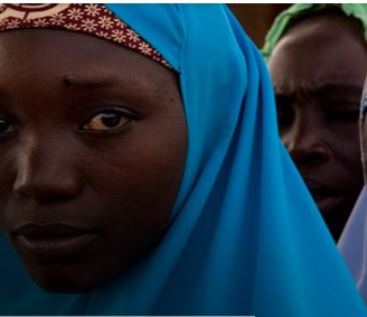
"I am concerned and I call on everyone to be concerned that many more women will die today and tomorrow from highly preventable and treatable conditions while we continue to pay lip service." - Dr. Christine Kaseba-Sata, First Lady of Zambia
This GBCHealth Issue Brief explains the impact of cervical cancer on women and, by extension, on businesses. The brief both focuses on prevention including through immunisation against infection with human papillomavirus (HPV), as well as regular testing such as with pap smears.
The document quotes statistics of prevention such as: "In the US [United States], even though only a third of young women were vaccinated, HPV rates fell by a full 50 percent in women ages 15-49 in the four years after the HPV vaccine was introduced....Recent data indicates that 37 countries, both developed and developing, around the world provide the vaccine in national public programs, and 24 more are in the process of rolling out widespread vaccination," and, as stated here, PATH research has found acceptance rates high in the four low- and middle-income countries (LMICs) it studied.
Training for nurses and midwives in a screening technique, visual inspection with acetic acid (VIA) (vinegar), is recommended for prevention screening. "Educational materials on VIA from organizations such as PATH and Jhpiego have already been translated into multiple languages. According to the WHO [World Health Organization] guidelines on VIAs, the procedure was shown to be well-tolerated by women in six sub-Saharan African countries and almost all of the women in the study said they would recommend the procedure for other women. Despite their life-saving potential, VIA programs are under-utilized and need financial support and political will to be taken to scale."
The document reviews a PATH screening test for which women can collect their own samples, increasing the likelihood of testing. It describes Merck's collaborative work in Uganda, Peru, Thailand and the Philippines, Vietnam, and Rwanda to establish HPV vaccine programmes. The Pink Ribbon Red Ribbon Alliance (PRRR) works on reducing both cervical and breast cancer in sub-Saharan Africa and Latin America, including by supporting implementation of electronic health information management systems.
Opportunities for business include the following:
- "Educate workers, their families and communities about human papillomavirus (HPV)- the virus that causes cervical cancer- and about screening, vaccination and treatment for cervical cancer
- Integrate cervical cancer prevention and treatment into existing programs and facilities that provide HIV, non-communicable disease (NCD) and wellness screening
- Provide access to affordable voluntary medical male circumcision to workers and their families; studies show that it reduces transmission of HPV to women by 35 percent
- Ban smoking, a risk factor for cancer, in the workplace
- Leverage core competencies to combat cervical cancer:
- Provide marketing expertise to assist with public education and messaging, encourage vaccination and promote screening
- Assist with supply chain development for vaccines, HPV DNA tests, cryotherapy units (to freeze off pre-cancerous lesions) and other commodities
- Improve laboratory infrastructure and build the capacity of health care providers in cytology, which is one method used to detect cancerous cells
- Provide subsidized or donated vaccines and drugs for cervical cancer prevention and treatment
- Advocate for governments to educate, vaccinate, screen and treat. Encourage governments to prioritize cervical cancer in their national health and vaccination strategies, policies, programs and budget allocation”
PATH RHO Cervical Cancer library, June 25 2014.
- Log in to post comments