










































Dengvaxia Controversy: Impact on Vaccine Hesitancy
Dow University of Health Sciences (Fatima); Bahria University Medical and Dental College (Syed)
"Concern over vaccine safety is one of the most dominant reasons for vaccine hesitancy."
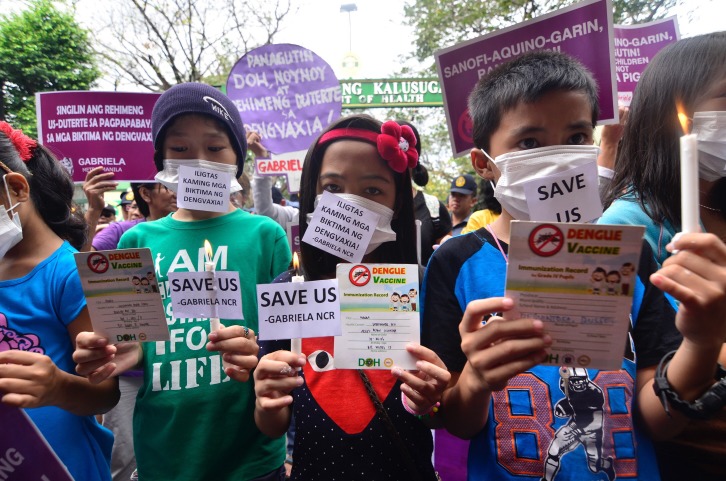
The Dengvaxia vaccine, developed by Sanofi to prevent dengue and approved in 19 countries, was used in vaccination campaigns in Philippines, involving more than 800,000 schoolchildren. Soon after its authorisation, Dengvaxia became subjected to controversy; this article looks at what happened in the context of concerns about vaccine hesitancy.
At issue is the discovery by Sanofi that, for individuals who have never had a dengue infection before, Dengvaxia poses a significantly higher risk of a more severe form of the disease and hospitalisations than not being vaccined against dengue at all. This means that at least 10% or around 80,000 of the vaccinated Filipino children who do not have a prior history of dengue infection are now at an increased risk of developing severe dengue. As a result, Dengvaxia's sale and distribution was suspended in the Philippines. However, due to the fear resulting from this controversy, parents began refusing to vaccinate their children against other diseases.
Oftentimes, concerns that lead to vaccine hesitancy are mainly due to widely circulating media reports highlighting a rare occurrence of an adverse reaction to a vaccine and are based on rumours rather than facts. The Dengvaxia crisis is based on results from clinical trials backed up by autopsies linking some deaths to the vaccine. These findings may serve as proof against vaccine safety and, widely circulated through the media, might have a negative impact on other vaccination programmes - not just in the Philippines but also in other parts of the world.
The authors suggest that:
- It is necessary to educate the public regarding safety and success of all other available vaccines through mass education programmes, awareness campaigns, and conferences designed to overcome fear and confusion.
- The media can play a key role in eliminating misconceptions and skepticism resulting from this controversy. Highlighting the benefits of vaccination campaigns may prove to be efficacious, as previous vaccination programmes have had a tremendous success rate in reducing the mortality and morbidity of various infectious diseases worldwide.
- It must be emphasised that this particular crisis should not be linked with other vaccines and that the medical sector should be trusted in the formation of newer dengue vaccines.
- Considering the scale and scope of this issue, all government and non-government health care authorities must work together in efforts to regain parents' trust. The World Health Organization (WHO) can play a part in supporting and sustaining public health by helping prevent a drop in vaccination rates and ensuring the acceptability of future vaccines.
Journal of Global Health. 2018 Dec;8(2):010312; and email from Khunsha Fatima to The Communication Initiative on June 16 2019. doi: 10.7189/jogh.08-020312. Image credit: Manila Today
- Log in to post comments