










































An Evaluation of the 'Protect Their Future' Video Intervention on Parents' Intentions to Immunize Adolescents
University of Minnesota (Cohen); Indiana University-Purdue University (Head); University of Kentucky (Westgate, Vanderpool, Bachman, Vos, Wombacher); University of Central Florida (Parrish); University of Colorado (Reno)
"As an independent strategy or as part of a broader toolkit of educational materials and multilevel strategies to improving clinic outcomes, theory-based communication interventions for multiple immunizations can be designed to overcome barriers to promote parent intention to vaccinate."
In the United States (US), rural and medically underserved adolescent populations are disproportionately less likely to receive age-appropriate immunisations compared with other populations. In economically depressed areas such as the rural Appalachian Kentucky River District, factors such as low health literacy, suspicion of government regulations, a culture valuing family self-reliance, and skepticism of healthcare providers mean that additional parent/patient education may be needed to close gaps in age-appropriate immunisation of adolescents. Data suggest that communication strategies may improve parental learning about adolescent immunisation. Thus, the goal of this research was to examine whether a scalable, video-based education approach can improve parental intentions to have their adolescent children immunised.
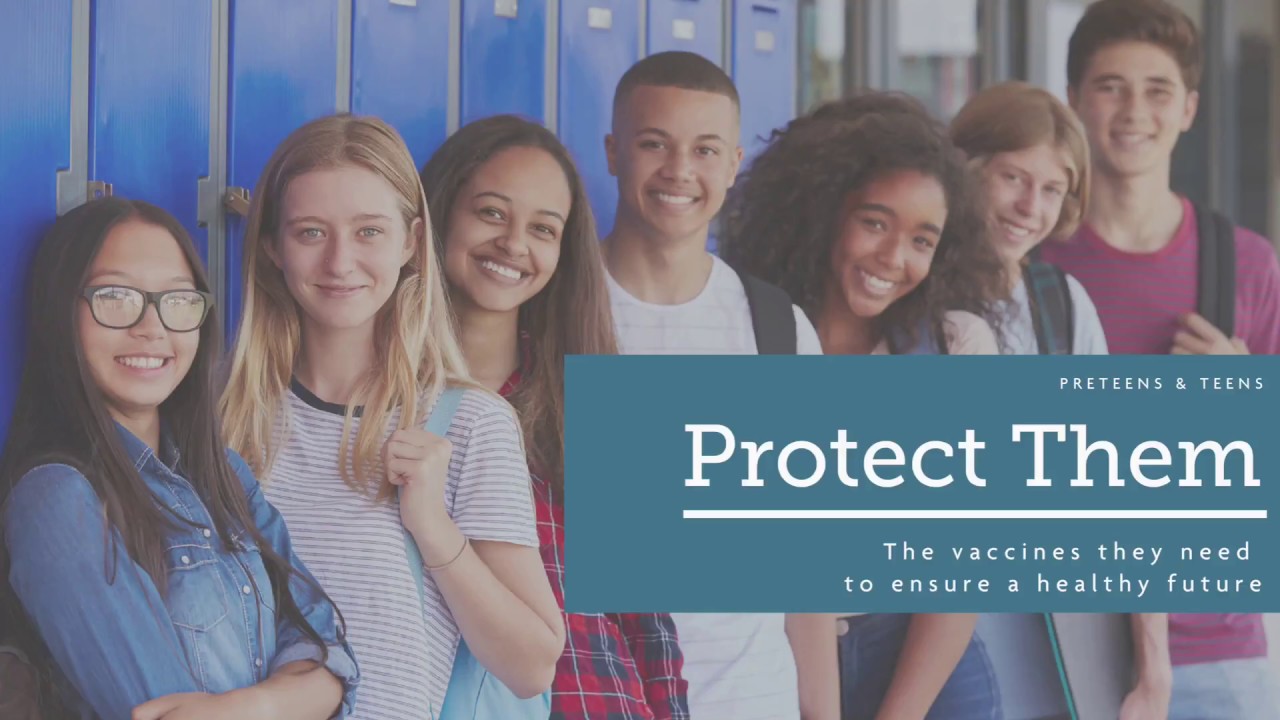
Design and development of the 5-minute educational video Protect Their Future was guided by the information, motivation, behavioural skills model (IMB). The video: included information about the risk of vaccine-preventable harm, encouraged parents to consider the benefits of immunisation and protecting their children against these diseases, motivated for series completion for the full adolescent vaccine platform, enhanced parental efficacy to have their child vaccinated, and cued parents to overcome personal barriers to having their child immunised. The video contained narrative and informational content sequences and used a mixture of video footage, still shots, and written captions. The footage featured 3 local healthcare providers and 3 parents from the rural community discussing the importance of immunisation for their rural communities and the importance of receiving all immunisations, with particular focus on human papillomavirus (HPV) and inflenza. After 5 core message segments, the video concluded with an immediate cue to action for individuals to talk to their healthcare provider.
The study, which was conducted from August 2014 through May 2015, included 529 parents of 11- to 19-year-old adolescents in Appalachian Kentucky enrolled in group randomised controlled trial arms at 14 health clinic and community sites (7 in each arm) across 8 counties. Approximately half the parents (n = 263) were enrolled in the full intervention. Participants in the intervention and control did not significantly differ by education, race, percentage working full-time, or gender.
The baseline survey was informed by previous research and modified to include specific questions relevant to adolescent immunisation and Theory of Reasoned Action (TRA) constructs thought to be predictors of vaccination intention outcomes (attitudes, descriptive norms, and intention to vaccinate).
In short, the study found that individuals in the intervention were 3.2 times more likely (P = .005) to intend for their female adolescent to receive HPV immunisation; in addition, having supportive parental attitudes was associated with intention to immunise (P = .0002). However, there was no support for the multivariate model for male HPV immunisation, despite the fact that the video featured an adolescent male receiving the HPV immunisation and provided general reasons for HPV immunisation such as cancer prevention. Thus, the gender-neutral approach failed to educate on the sex-specific benefits of male HPV immunisation.
Across all outcomes, it was found that parental attitudes toward having all available immunisations were important drivers of intentions to vaccinate. Descriptive norms were also significantly correlated with meningitis, for example. That said, although the video provided information related to the general benefits of adolescent immunisation and mentioned meningitis as a recommended immunisation strategy, the intervention did not evidence a significant independent effect on parental immunisation intentions for meningitis. A separate messaging strategy for the MenB vaccine may be desirable.
These data suggest that video education remains a low-cost, scalable avenue for parent education on the importance of adolescent immunisation, especially given the relative ease of video delivery by iPad or other portable devices. According to the researchers, future studies could consider how brief clinical assessments of individual patients' barriers to immunisation may be used to create tailored, digital video education messages to enhance immunisation uptake.
From a practical perspective, clinics specifically focusing on HPV and flu immunisation may be useful for multi-dose HPV administration and "catch-up" opportunities to educate parents on the importance of these immunisations that are missed at the 5th-6th grade entry window for young adolescents. This approach appears particularly promising when education taps into and supports parental attitudes and normative social behaviour.
The researchers conclude that "this approach has the potential to be adapted with other populations, including urban communities and other medically underserved populations. Additional research is needed to identify and optimize the message specificity needed for multiple immunization behavior intention change."
Journal of Communication in Healthcare, DOI: 10.1080/17538068.2018.1507081. Image credit: JCDHEKS
- Log in to post comments