










































Framework for Action for Together for Girls
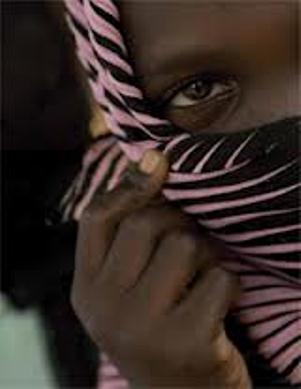
The objective of the Together for Girls partnership is to work with governments, civil society, and the private sector to build on existing platforms and programmes to eliminate sexual violence against girls. This framework is set out to offer practical approaches to achieving that goal.
It is a partnership that brings together in the fight against sexual violence against girls: private sector organisations; governments; and United Nations (UN) entities including: the United Nations Children's Fund (UNICEF), the Joint United Nations Programme on HIV/AIDS (UNAIDS), United Nations Population Fund (UNFPA), UN Entity for Gender Equality and the Empowerment of Women.
Four core approaches include human rights, gender equality, public health, and country ownership.
The action framework includes the following (also summarised in a table on pages 13 and 14 of the document):
- "Objective 1: Produce and disseminate knowledge and data to prevent and respond to sexual violence against children, especially girls, effectively.
- Strategy 1: Establish systems for surveillance, monitoring, evaluation, and research.
- Illustrative Actions:
- Obtain nationally representative and population-based data at regular intervals to provide baselines and track select indicators on a routine basis.
- Monitor progress over time.
- Increase evidence-base by evaluating effectiveness and cost-effectiveness of policies, interventions, programmes and implementation process.
- Support qualitative research and conduct lessons learnt exercises to inform policy and programme design, in particular on aspects around norms and value systems in relation to sexual abuse and exploitation of girls.
- Build and strengthen capacity for data collection, monitoring and evaluation and research.
- Objective 2: Mobilize political will and resources to address the problem.
- Strategy 2: Raise awareness and commitment for action through advocacy and assess prevention readiness and capacity.
- Illustrative Actions:
- Support civil society, including women’s rights and specialized organizations in the field of child protection, violence against women, youth and men’s groups, and community-based and faith-based organizations.
- Assess prevention readiness and capacity at national and community levels through systematic interviews with decision makers from key sectors and audits of relevant existing programmes and budgets.
- Attract and allocate specific and sustained local and international funding.
- Implement a sustained public awareness campaign to increase commitment for the rights of girls and boys to be protected from sexual violence.
- Strengthening international, regional, national and local partnership
- Objective 3: Implement effective legislation, policies and programmes to prevent and respond to sexual violence against children with a focus on girls.
- Strategy 3: Establish systems for strengthening and enforcing legal frameworks and implementing evidence-based policies and programmes to prevent and respond to sexual violence against children, with a focus on girls.
- Illustrative Actions:
- Legislative and Policy
- Ensure national legislation conforms to relevant human rights treaties (e.g. CRC [Child Rights Convention], CEDAW [The Convention on the Elimination of All Forms of Discrimination against Women]) and is effectively enforced.
- Mainstream efforts to address sexual violence into existing national strategies and action plans and budgets.
- Strengthen support for families and communities through social protection policies and schemes and social, educational and economic opportunities and services for girls.
- Strengthen institutional capacity of relevant government ministries at all levels - in particular social welfare agencies, health, education and justice sectors - to design and deliver programmes for prevention and response, ensuring a coordinated approach (including support services to victims, capacity building of professionals, development and implementation of referral protocols, inter-institutional protocols etc.).
- Empower national and local government authorities and communities to be accountable and take action by:
- Engaging national and community authorities and leaders.
- Engaging schools and other community-based child-serving organizations and women’s groups addressing gender-based violence.
- Involving religious leaders and institutions.
- Engaging men and boys.
- Prevention of sexual violence against girls through community mobilization and promotion of behaviour/social norms change
- Design and implement appropriate evidence-based prevention programmes based on country needs (e.g. parenting programmes; school programmes addressing gender roles, children’s rights and violence; programmes empowering girls and programmes engaging men and boys etc.).
- Support community discussion and dialogue to address the social tolerance of sexual violence against girls, and explore how to promote a climate of non-tolerance change social norms, attitudes, behaviours and practices harmful to girls and boys.
- Promote equal value for girls and boys.
- Increase and improve comprehensive services to strengthen the response
- Ensuring gender-responsive and child-sensitive procedures for children in the justice system (e.g. police, prosecutors, judges).
- Integrating care and treatment for sexual violence into health sector
- Institutionalizing response for detection, management and referrals in the education sector.
- Strengthening capacity for social welfare agencies to conduct effective case management, re-integration and prevention.
- Ensuring gender-responsive and child-sensitive procedures for children in the justice system (e.g. police, prosecutors, judges).
- Legislative and Policy
- Objective 4: Cross-Cutting Objective - These actions will be integrated into Objectives 1, 2, and 3.
- Strategy 4: Establish systems for developing training and skills and institutional capacity through the production and dissemination of knowledge and data, mobilization of political will and resources, and effective legislation, policies, and programmes.
- Illustrative Actions:
- Ensuring rights-based, gender responsive attitudes, practices and compliance byhealth, security, education, legal and other providers.
- Strengthen institutional capacity of relevant government ministries at all levels of government and of relevant NGOs [non-governmental organisations] and CBOs [citizen-based organisations] to design and deliver programmes (prevention and response)."
Together for Girls website, February 25 2013. Image credit: © UNICEF/NYHQ2005-0944/Haviv
- Log in to post comments