










































FUTURECONNECT™ Forum in Taiwan
Communication for Social Change Consortium
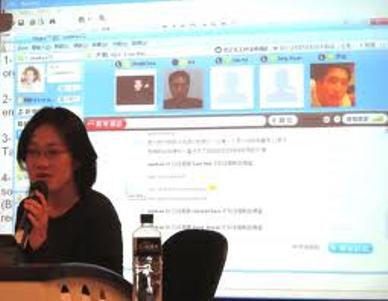
This article from MAZI, an online publication of the Communication for Social Change Consortium (CFSC), describes a forum in Taiwan designed as a dialogue of not-for-profit organisations on the challenges and opportunities of social networking for communication professionals working in HIV/AIDS. In 2009, aids2031 and the CFSC commissioned research on the impact of social networking on AIDS communication. The resulting report, "Future Connect: A Review of Social Networking Today, Tomorrow and Beyond, and Challenges for AIDS Communicators" explores how young people rely on and trust social networking sites as reliable sources of information on sexuality and other important aspects of their lives. To prompt discussion about the findings of this research, the Consortium is sponsoring a series of dialogues around the world, starting in Asia. In this article, Lourdes Margarita Caballero, a communication associate at the Consortium, describes one such dialogue in Taipei, Taiwan.
As stated in the article: "Participants validated the importance of social networking sites (SNS) as an interactive communication platform and a tool. SNS not only spread messages in the shortest time possible, but they also can help raise resources, advocate causes, build alliances, seek consensus and vote for social action....Participants believe SNS modifies people's needs. SNS have given a new stage for, and enriched, conventional sociological theories such as Abraham Maslow's hierarchy of needs. According to Maslow, human needs range from basic to complex. Going up the pyramid, the needs become increasingly psychological and social....
Participants also discussed the types of involvement enabled by social networking sites. SNS have made it easy for people to express their feelings on various issues and causes simply by clicking “like” and “dislike” buttons. It has also made it easy for users to select different ways to get involved, e.g. simply reading or browsing content, commenting, posting media content and links and sharing information on the site contacts....A big problem in using SNS for dialogue is how to address “slacktivism,” a combination of “slacker” and “activism.” “Slacktivism” describes “feel-good online activism that has zero political or social impact.” An E-causes representative said it’s very difficult to get online fans to show up and take part in actual events. Communicators must further explore how various ideologies, motivations and agendas influence SNS users and how they act online and offline. This will help in developing initiatives that use SNS strategically to increase active participation on specific causes and encourage users to engage in more dynamic and democratic communication processes."
Email from Huyen Tran Dieu to The Communication Initiative, December 22 2011.
- Log in to post comments