











































Gender Equity Movement in Schools Training Manual
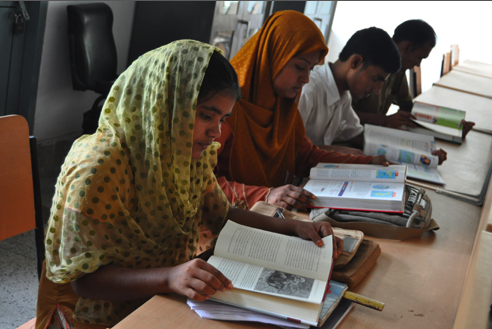
This Training Manual resource has been developed as part of the Gender Equity Movement in Schools (GEMS) programme, which was initiated to promote gender equality and reduce violence by engaging students in critical thinking and self-reflection. GEMS builds on efforts in India, such as Yari Dosti for young men and Sakhi-Saheli for young women, to foster more gender equitable attitudes and behaviours among youth, using group education activities (GEA) to engage students in the school setting. Participatory methodologies engage students in relevant interactions and reflection about key issues of gender and violence. This manual is based on the experience of conducting GEA with students. It is organised in seven modules, each corresponding to a specific theme. The GEMS experience, according to the authors, provides evidence of a useful and feasible methodology for creating discussion around gender equality within the school setting.
The GEMS project was conducted in a series of sessions over the course of two years. For the first year of the project, the GEA activities covered three main themes: gender, the body, and violence. During the second year, the programme focused on deepening students' understanding of gender, building understanding and skills around relationships, emotions, and violence and conflict management. This training manual provides a framework for facilitators to conduct similar programming in schools.
Within the manual, each module contains three sub-sections:
- For the Facilitator contains notes for facilitators, with information and references that can be used for conducting sessions.
- Opportunities for Integrating shows ways in which topics can be integrated into various subjects being taught in schools, to help make the topics more relevant to students.
- Activities for Students contains the specific activities to be conducted with the student.
All the activities for students are based on the experience of actual sessions that, according to the authors, were found to be effective in encouraging them to question, comment, or share their thoughts without feeling threatened. Along with this manual, the “GEMS Campaign Guide” and “My GEMS Diary” have been written to help facilitators with programme and session effectiveness.
101
Youth InfoNet No. 86 of November 29 2011.
- Log in to post comments