










































Girls Grow: A Vital Force in Rural Economies
The Chicago Council on Global Affairs
This sixth publication in the Girls Count series of the Coalition for Adolescent Girls is a result of their investigations to "uncover girl adolescent girl-specific data and insights to drive meaningful action," as a poverty reduction strategy. As the Coalition notes: when an adolescent girl "stays in school, remains healthy, and gains real skills, [she] will most likely marry later, have fewer and healthier children, and earn an income that she will invest back into her family."
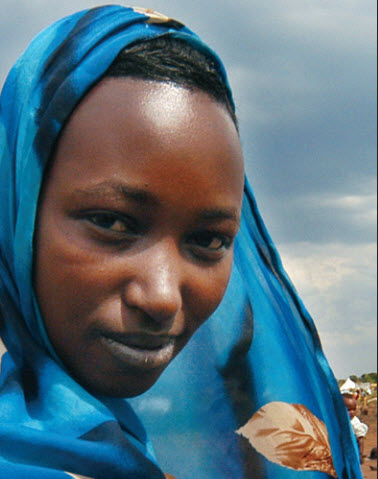
The publication addresses the preponderance of girls who live in rural areas by highlighting how girls, as the backbone of rural economies, have the powerful potential to be agents of economic and social growth and change in their homes, communities, and nations. This investigation found a triple challenge for rural adolescent girls - their rural location, their gender, and their age, as described here:
Location: More than 60% of rural people in the developing world live in poverty, and 35% live in extreme poverty and lack access to basic things such as infrastructure, safe drinking water, health-care, and education facilities.
Gender: Cultural norms and gender roles are often more entrenched in rural areas that sometimes see girls as temporary family members; their work burden is especially heavy, including fetching water and fuel, caring for the young, the sick, and the old, and completing household chores.
Age of adolescence: The support they may have received as children under five drops off just as they reach a critical time of transition into productive and reproductive roles, often providing them with no alternative other than marriage.
Listed below are the seven recommendations made by the study, with the corresponding communication-related action steps:
- Recommendation 1: Expand opportunities for rural adolescent girls to attend secondary school.
- Action 1d: Provide incentives to parents to keep girls in school such as scholarships, stipends, cash transfers, literacy programmes, and elimination of school fees. (communication with parents)
- Action 1e: Enhance adult literacy campaigns in rural areas to increase school enrolment among girls. (communication with parents)
- Recommendation 2: Equip rural adolescent girls to be entrepreneurs, workers, and managers in the rural economy and beyond.
- Action 2b: Incorporate knowledge and skill-building programmes into rural economic development initiatives and education. (training)
- Action 2c: Empower girls to build non-traditional extension systems, equipping them to offer agricultural, health, education, and adult literacy training to their families and communities.(organisation)
- Action 2d: Offer innovation awards and incentives for creation of appropriate technologies.
- Action 2e: Support organisations, policies, and legal frameworks that eliminate discrimination against female workers and that support equal pay, safety, and security for working adolescent girls and women. (advocacy to make women legally and visible; organisation)
- Recommendation 3: Prepare rural adolescent girls to be major stakeholders in agriculture and natural resource management.
- Action 3b: Ensure equitable inheritance and land rights for adolescent girls and women by supporting efforts to change and enforce relevant national and customary laws. (advocacy to make women legally visible)
- Recommendation 4: Empower and provide opportunities for rural adolescent girls to have an active voice in household, community, and national decision-making.
- Action 4a: Provide "safe spaces" and youth development programmes - both girl-only and girls and boys - to build confidence and skills, develop peer connections, and provide mentoring. (organisation; peer communication)
- Action 4b: Support platforms for rural girls to participate in public dialogues and develop civic leadership skills.
- Action 4c: Use radio and television to inform and empower girls.
- Action 4d: Create more opportunities for girls' mobile phone ownership and Internet access.
- Recommendation 5. Provide rural adolescent girls with comprehensive health information and services.
- Action 5a. Integrate adolescent health as a priority in national systems and policies.
- Action 5b. Increase rural girls' access to information and services using school and community centres as entry points.
- Recommendation 6. Improve rural adolescent girls' safety and security.
- Action 6a. Educate men and boys about the value of girls.
- Recommendation 7. Count girls and measure progress.
- Action 7a. Record all births and collect and disaggregate data.
- Action 7b. Establish benchmarks and report progress regularly.
The Coalition for Adolescent Girls website, April 15 2013.
- Log in to post comments