










































Inner Spaces Outer Faces Initiative (ISOFI) Toolkit: Tools for Learning and Action on Gender and Sexuality
Image
SummaryText
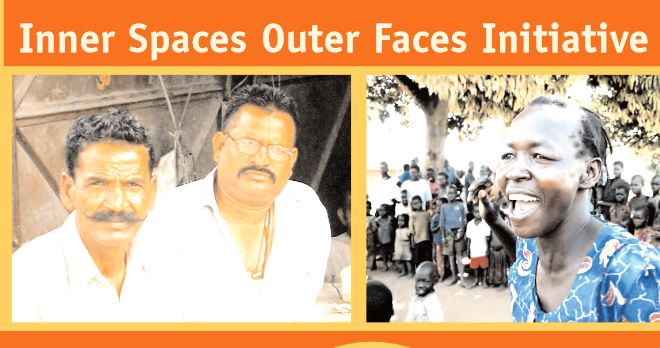
This toolkit, from CARE and the International Center for Research on Women (ICRW), is intended to support awareness and understanding of gender and sexuality issues by both staff and community members, including a focus on how gender and sexuality relate to reproductive health.
In 2004, the staff and programme implementers of CARE and the ICRW embarked on a two-phase set of self-reflection, training, and monitoring activities premised on a holistic approach toward acknowledging and deconstructing social conceptions of gender and sexuality in India and Vietnam.
The Inner Spaces Outer Faces Initiative (ISOF) focused on aligning the beliefs of programme staff with the realities and issues comprising their professional duties within the communities they serve. The initiative addressed stigma, fear, and assumptions which shape the beliefs held by programme staffers with regard to the attitudes and sexual and reproductive health behaviour of the communities that they engage.
The programme also tasked them with activities which enabled them to become immersed in the lived realities of the project beneficiaries, as stipulated by gender and sexuality. This was said to encourage them to challenge and reconstruct these social constructs through the processes, objectives, and goals of their work. The rationale of the programme was hinged on the bottom-up notion that the benefits of self-reflection, training, and monitoring conducted in phase one would be evidenced via the staff and through their involvement in the programme's operations and execution, summarily having a wholly positive organisational effect.
Phase two of the programme consisted of the testing of the programme's hypothesis: that the systemic incorporation of gender and sexuality within the programme leads to tangible improvements in the sexual and reproductive health of the communities that it serves.
The findings were employed toward the development of this toolkit to be used in implementing future initiatives addressing gender and sexuality.
In 2004, the staff and programme implementers of CARE and the ICRW embarked on a two-phase set of self-reflection, training, and monitoring activities premised on a holistic approach toward acknowledging and deconstructing social conceptions of gender and sexuality in India and Vietnam.
The Inner Spaces Outer Faces Initiative (ISOF) focused on aligning the beliefs of programme staff with the realities and issues comprising their professional duties within the communities they serve. The initiative addressed stigma, fear, and assumptions which shape the beliefs held by programme staffers with regard to the attitudes and sexual and reproductive health behaviour of the communities that they engage.
The programme also tasked them with activities which enabled them to become immersed in the lived realities of the project beneficiaries, as stipulated by gender and sexuality. This was said to encourage them to challenge and reconstruct these social constructs through the processes, objectives, and goals of their work. The rationale of the programme was hinged on the bottom-up notion that the benefits of self-reflection, training, and monitoring conducted in phase one would be evidenced via the staff and through their involvement in the programme's operations and execution, summarily having a wholly positive organisational effect.
Phase two of the programme consisted of the testing of the programme's hypothesis: that the systemic incorporation of gender and sexuality within the programme leads to tangible improvements in the sexual and reproductive health of the communities that it serves.
The findings were employed toward the development of this toolkit to be used in implementing future initiatives addressing gender and sexuality.
Publication Date
Languages
English
Number of Pages
114
Source
ICRW website, April 23 2010 and April 11 2014.
- Log in to post comments