










































Khel Ek Seekh: A Handbook of Sports-based Games and Activities to Enable Facilitators to Initiate Dialogues on Gender with Adolescents and Youth
Image
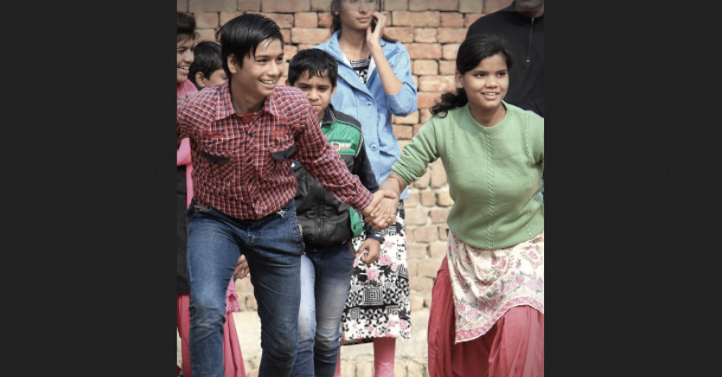
SummaryText
"I was married off as a child and that has been the biggest source of worry in my life. Through this workshop, I have been able to experience freedom in its true sense."
- A female participant from the Jaipur workshop held in February 2022
Though the causes of child marriage differ in various contexts and communities, one of its root causes is gender inequality. This handbook - developed by the Indian organisation Pro Sport Development (PSD), in collaboration with Girls Not Brides: The Global Partnership to End Child Marriage - is a resource for grassroots facilitators working with adolescents and youth to address gender norms and end child marriage. It uses sports-based games and activities to build leadership, communication, and teamwork amongst adolescents and youth, while also advancing gender equality.
Benefits of using sports-based approaches in addressing gender inequality and child marriage include:
The handbook is accompanied by a report on 3-day residential workshops facilitated by PSD and Girls Not Brides in Rajasthan, Jharkhand, and Uttar Pradesh in 2022. The report describes processes, impact, challenges and learnings, recommendations, and the way forward. Notably, the workshops were "successful, especially in strengthening the participants' knowledge on the use of sport-based interventions to initiate conversations around gender....Given the scale of gender-based discrimination and violence in all three states, the participants were particularly inspired to use sport as a tool to engage with communities on these issues."
Though the causes of child marriage differ in various contexts and communities, one of its root causes is gender inequality. This handbook - developed by the Indian organisation Pro Sport Development (PSD), in collaboration with Girls Not Brides: The Global Partnership to End Child Marriage - is a resource for grassroots facilitators working with adolescents and youth to address gender norms and end child marriage. It uses sports-based games and activities to build leadership, communication, and teamwork amongst adolescents and youth, while also advancing gender equality.
Benefits of using sports-based approaches in addressing gender inequality and child marriage include:
- Use of sports in development programmes has shown effective results in challenging gender stereotypes and taboos.
- The impact of sport is not just at an individual level - changes have also been seen in families, communities, and local institutions.
- Sport has emerged as a livelihood option for many girls, especially with a growing demand for female coaches, facilitators, and sports professionals.
- Sport has been found to be an effective tool to mobilise diverse audiences; it is also a method that is very helpful in bringing together people from different backgrounds.
- Sport is a flexible tool for development programmes: Depending on the type of barriers faced by organisations and individuals, sports programmes, activities, and games can be designed to require low or no equipment and can be conducted in limited and indoor spaces.
The handbook is accompanied by a report on 3-day residential workshops facilitated by PSD and Girls Not Brides in Rajasthan, Jharkhand, and Uttar Pradesh in 2022. The report describes processes, impact, challenges and learnings, recommendations, and the way forward. Notably, the workshops were "successful, especially in strengthening the participants' knowledge on the use of sport-based interventions to initiate conversations around gender....Given the scale of gender-based discrimination and violence in all three states, the participants were particularly inspired to use sport as a tool to engage with communities on these issues."
Publishers
Publication Date
Languages
English (handbook and report), Hindi (handbook)
Number of Pages
67 (handbook); 20 (report)
Source
Voices, Girls Not Brides, March 1 2023. Image credit: Girls Not Brides
- Log in to post comments