











































Making Policy Work for Women
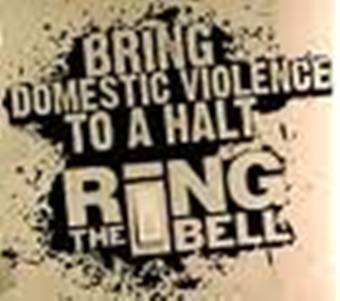
For women, policies don’t work without behavior change.
For the past three years, I’ve been deeply involved in Breakthrough’s Bell Bajao campaign, calling on men and boys to take a stand against domestic violence in India. The campaign uses multi-media tools like television, radio and print along with community based training and mobilization, and has reached more than 130 million people in the country to date.
The learnings from Bell Bajao have reinforced my belief that policy change, especially when it comes to violence against women, is insufficient to really transform women’s lives. In order to have a meaningful effect in the long run, policy change must be accompanied by a deep commitment to changing culture and practices.
This may sound self-evident, but in the development and philanthropy world there continues to be an over emphasis on policy and policy-related advocacy, at the expense of a more holistic and integrated approach to social change. In addition, media and communications need to be key strategies in any successful intervention for desired social change when it comes to inequality.
With Bell Bajao, Breakthrough has pursued three primary objectives in India: (1) To activate by-standers and the broader community – especially men and boys – to get involved and challenge violence against women; (2) To create awareness around and effective implementation of the 2005 Prevention of Domestic Violence Against Women Act (PDVWA 2005); and, (3) To demonstrate the connections between HIV/AIDS and violence against women in order to promote safe and healthy sexuality.
While Bell Bajao has succeeded in generating greater awareness of PDVWA 2005 and its provisions in the larger public (a 49% increase in areas of intervention), what has become clear is that policy itself is not going to make women safer. Insufficient resources, lack of political will, and deeply ingrained gender biases in police, prosecutors and judges, all conspire to make the effective implementation of PWDVA 2005 a challenge. In any case, PWDVA 2005 only comes into effect when a woman has already been abused, which makes its prevention value minimal.
But at Breakthrough, we are making inroads at changing the frame on violence against women in India. The most exciting part of Bell Bajao has been the national dialogue that it’s generated on the need for by-stander intervention. “Bell Bajao” is increasingly used as a metaphor for “ringing the bell” against all kinds of injustice, including corruption, access to clean water, and beyond. Breakthrough has mobilized thousands of women and men – through our mass media and community mobilization efforts, like our use of video vans – to have their first-ever discussions on domestic violence. But this is only the beginning of the cultural change that is so desperately needed to make women’s lives more secure. This level of impact can only be achieved if we scale up our campaigns to reach beyond movement allies and out to the general public. A strategy this broad and diverse can only be achieved through media and communication tools – they are critical in moving the conversation forward.
The world is littered with promises made to women through more than a decade of UN World Conferences - from Vienna to Beijing. “Women’s rights are human rights,” has become a global mantra, and with international figureheads such as Hillary Clinton championing the movement - it’s become more mainstream than ever! But the fact remains that the gap between rhetoric and reality has gotten wider. Policy change remains ineffective without the resources and political will to bring about meaningful change, but even that shift will remain empty without the deeper cultural transformation that needs to happen for women to be regarded as fully human. That’s where media and communication tools come in – to bridge the gap between our policies and our communities.
- Log in to post comments