










































Time to read
less than1 minute
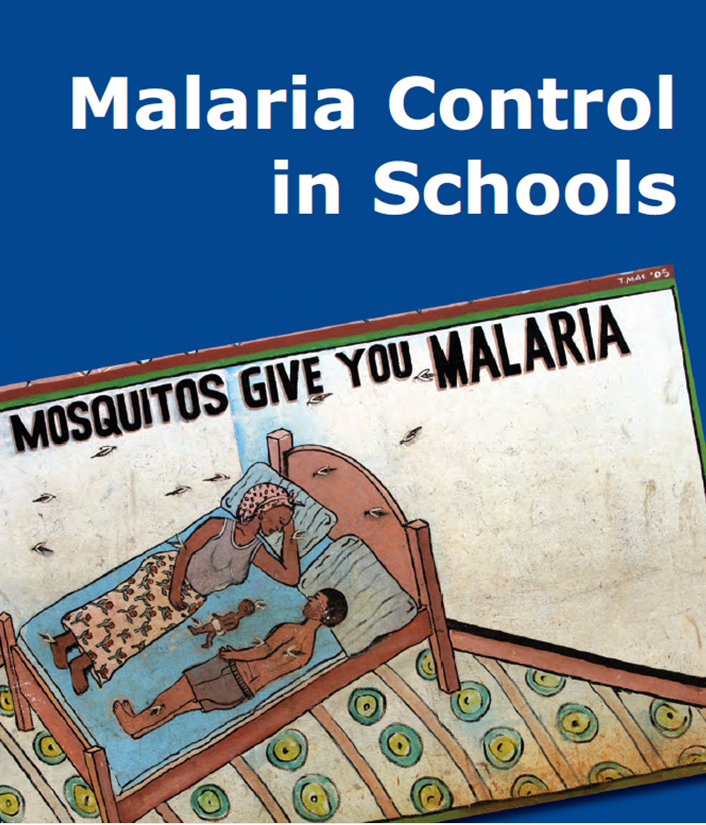
Malaria Control in Schools: A Toolkit on Effective Education Sector Responses to Malaria in Africa
Image
SummaryText
This toolkit shares practical information and experiences related to the control of malaria in schools, including technical and policy advice on malaria, as well as how countries can plan and implement school-based malaria interventions. Produced by the Partnership for Child Development, London School of Hygiene and Tropical Medicine, Kenya Medical Research Institute-Wellcome Trust Research Programme, and the The World Bank, the toolkit offers useful links and technical resources. The toolkit was designed to help policymakers, health professionals, educationalists, researchers, donors, and non-governmental organisations to implement country-led plans for school malaria programmes.
According to the author, the toolkit will help users to understand why the education sector should respond to malaria; the benefits of controlling malaria in schools; the appropriate malaria interventions which can be delivered through schools; examples of promising practice at scale; the key issues in developing a school malaria programme; how to formulate a national Malaria Control in Schools strategy; and how to design a malaria component of a wider school health programme.
The toolkit includes of the following sections:
According to the author, the toolkit will help users to understand why the education sector should respond to malaria; the benefits of controlling malaria in schools; the appropriate malaria interventions which can be delivered through schools; examples of promising practice at scale; the key issues in developing a school malaria programme; how to formulate a national Malaria Control in Schools strategy; and how to design a malaria component of a wider school health programme.
The toolkit includes of the following sections:
- A toolkit on malaria control in schools
- Rationale for malaria control in schools
- Control strategies to prevent and treat malaria
- Skills-based malaria health education
Publication Date
Languages
English
Number of Pages
60
Source
Schools and Health website on August 23 2011.
- Log in to post comments