










































Mapping Digital Media: Social Media and News
Birmingham City University, Online Journalism Blog
"It will... become more important than ever to identify what exactly the role of journalists - and the news they report - should be, regardless of platform. Is it to hold power to account, give a voice to the voiceless and a platform for national, international, and local conversations? Or separate rumour from truth, or create well-informed citizens?"
This paper from the Open Society Media Program surveys the ways that news occurs in social media and examines the implications for media-related values.
From the Introduction: "For a news industry used to controlling its own distribution, the rise of social media has brought significant change....Traditional media continue to dominate these spaces, but they are no longer the only operators....This move from gatekeepers to "gatewatchers" has meant an increased role for media, not just in processing copy but in reacting to, verifying, and contextualizing stories already spreading across social media platforms....These changes have created new opportunities and challenges for news media, individual journalists, and those with a wider interest in freedom of expression and democratic engagement. As a result, we see an escalating clash between those who wish to remove obstacles to commercial and editorial innovation, and those others who rely on such obstacles for their market or political position. It has also created a global content and communications market subject to local laws, and vice versa."
The paper describes: new issues in copyright; scale of platform and audience to include "hyperlocal" user-generated content (UGC); privacy versus free speech; and national governments' control of the internet. The values discussed include: “Pluralism and Diversity; Transparency and Accountability; Professionalism and Editorial Independence; Freedom of Expression and Information; and Public Interest and Public Service.”
The conclusions include the following:
- "Research into social media’s role in the Arab Spring suggests that traditional and new media worked in tandem, rather than one supplanting the other."
- "News consumption is moving from a regular appointment (the scheduled broadcast; the newsstand trip) to something embedded in our environments...."
- "Social media make well-established uses of news suddenly visible, while also facilitating those uses: discussing and challenging news reports; combining, contributing to, and building on them. Social media have stimulated particular social spaces for news publishing and distribution."
- "New devices - mobile and tablets - are shifting consumption further into public and private work and leisure spaces, and there is still an enormous amount of innovation to come."
- "The new diversity of voices on social media will stimulate a variety of ways to monitor, infiltrate, and censor, presenting journalists with more information than ever, along with an equally increased requirement for verification and debunking, seeking unheard voices, and bridging communities."
- "During these times of change it will be more important than ever to identify what exactly the role of journalists - and the news that they report - is, whatever the platform."
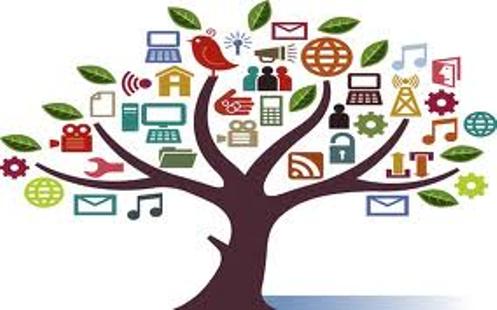
Open Society Foundations website, July 23 2012. Image courtesy of Mashable.
- Log in to post comments