










































Media and Information Literacy: A Practical Guidebook for Trainers [Third Edition]
"Becoming media literate involves sharpening the skills needed to use and understand media, but it also means developing a sense of how to use media responsibly."
This practical guidebook from DW Akademie provides media and information literacy (MIL) trainers with background information on MIL concepts, training ideas, exercises, and worksheets to conduct MIL workshops for a variety of settings and audiences.
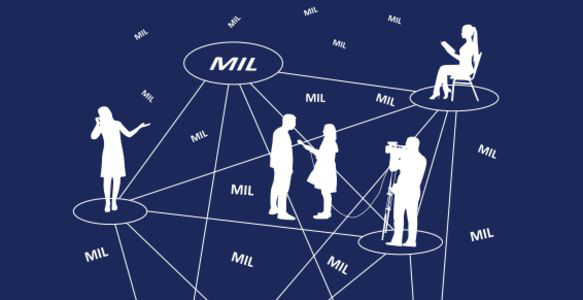
As the guidebook's authors explain, "MIL is a set of competencies that enables a person to access media, analyze media content, create new media messages, reflect on existing media content, and take action with media. People who are media and information literate are better able to understand complex media messages from newspapers, books, radio, television, billboards, websites, social media, and all other forms of media. They can better recognize disinformation, know how to verify information, and can produce media messages themselves."
The combination of factual knowledge about the fundamentals of MIL and practical training tools like exercises, energisers, and teaching aids defines the structure of the guidebook. There are lessons on how traditional media work (newspapers, radio, and television), how information becomes news, and how to tell if information in the media is biased or balanced and trustworthy. Other chapters give practical tips on how people can tell their own stories through social media, photojournalism, videos, and vlogging. The content is designed to enable participants to make their voices heard and to raise awareness of issues that are relevant to them.
The handbook includes the following chapters:
- Media and information literacy
- Information and topics
- Photography
- Audio
- Video
- Internet and social media
Trainers are encouraged to cover five areas when helping trainees develop their MIL skills - Access, Analyse, Create, Reflect, and take Action (AACRA):
- Access: involves learning how to find and understand media messages and how to use media technology. In this step, people learn about finding and sharing relevant, high-quality information.
- Analyse: entails skills of interpreting and evaluating various forms of print and non-print messages, such as photos, texts, news, videos, or video games.
- Creation: involves trainees learning to create their own media messages - anything from a text, a drawing, or a collage to social media posts, photos, videos, or multimedia products.
- Reflection: requires critical thinking, knowledge about media, and a consideration of one's everyday media experience in order to understand the impact of media messages and media technologies on the individual and on society.
- Taking action: builds on all the previously trained competencies, such that trainees use the media to achieve specific goals (e.g., creating a social media campaign to raise awareness around environmental protection).
The book has been re-worked based on experience and feedback received by DW Akademie trainers since the previous edition was published in 2017 (see Related Summaries, below). This latest edition is meant to be easier to read and understand, and material has been updated and added in certain sections of the book. The most significant additions are in Chapter 6, on the internet and social media, with an increased focus on disinformation and social media and the need to verify information. Information related to smartphone applications (apps) has also been updated.
Publishers
238 (guidebook); 111 (worksheets and guidelines)
DW Akademie website on April 21 2021.
- Log in to post comments