










































Mobile Video for Community Health Workers in Tanzania

Project organisers first met with CHVs to discuss the project and identify video concepts. Eight concepts emerged from the meeting, covering an introduction to BRAC as well as the BRAC/CHV process; tuberculosis and HIV; malaria and diarrhoea; immunisation; family planning; safe drinking water; and entrepreneurship. CHVs also identified speakers for each topic and gave input into the video format. The selected speakers were nurses, doctors, BRAC staff, and members of the community who could provide testimonials.
Content for the videos was sourced from the CHV training manual in order to ensure consistency of messaging. Scripts were developed in English first and translated into Swahili. Scripts were kept fairly simple and focused on communicating a few concrete actions that viewers could both remember and execute to improve their health. Shooting took place over three days, and the videos were tested on the cell phones the CHVs use, as well as on another cell phone type used by another health education project.
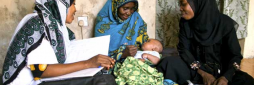
The organisers provided the CHVs with the videos and also provided basic training on how to use them - for example, to pause the videos and check for understanding. The idea was for the videos to serve as a conversation starter, increasing community interest in discussing and learning about ways to improve their health. The project also developed a video creation guide that explains, in brief, lessons learned from the project, as well as practical tips using the D-Tree equipment and the software used. The videos and guide can be downloaded from the Mobile Active website.
Although in-depth testing of the videos has not been conducted, organisers provide some ideas on how to improve the videos in future. These include: incorporating images to serve as memory joggers; inserting question slides; inserting pause prompts to remind CHV to pause the video to ask questions; including action shots to reinforce desired behaviours; and including more concrete actions people can take (for example, instead of encouraging people to drink clean water, define how to access/make clean water).
Health.
According to the organisers, feedback from the videos has been very positive. CHVs like using the videos with their clients, and have found that people engage with the videos, ask many questions about the topics, and ask to see the videos several times.
CommCare is a phone-based tool designed to improve the effectiveness of home-based care provider (HBCP) programmes. HBCPs are provided with a phone running CommCare that assists them to manage household visits and plan their day. CommCare is also designed to collect and report data that will help monitor and evaluate community health programmes themselves.
D-Tree International, BRAC Tanzania.
Mobile Active website on July 13 2010 and February 23 2011.
- Log in to post comments