










































1 minute
Nigeria Immunisation Survey - Administrative Tier Participant Oral Consent - Research Project: Understanding Attitudes to Immunisation in Nigeria
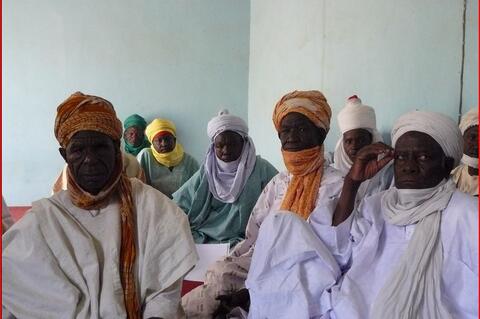
This consent form was developed as part of a study on polio immunisation in Nigeria that is being conducted by Public Health Services and Solutions (PHSS) and The Communication Initiative with the United States Agency for International Development (USAID). The purpose of this study is to identify, quantify, and analyse the combined effects of social and material factors, at the micro-level, that appear to associate with incidence of missed children by household in a given community. The research proposed aims to strengthen understanding of how factors operate in a composite manner to determine the prevailing level at which households with eligible children drop out of, or are missed in the process of, supplementary immunisation activities (SIAs). This research aims to generate more in-depth, localised analysis of factors leading to missed children and to produce that analysis in a way that is easily converted back into locally relevant programme knowledge and practice.
This consent form is associated with the survey to be given to key informants (leaders in the community, government, and traditional rulership), which is semi-structured and allows for more open questions.
Click here for the 3-page consent form in PDF format.