











































Parents' Knowledge, Attitude and Practice Towards Children's Vaccination in Lebanon: Role of the Parent-Physician Communication
Holy Spirit University of Kaslik, or USEK (Matta, El Mouallem, Hallit, Khalife); Notre Dame Des Secours University Hospital (Matta, Khalife); INSPECT-LB: Institut National de Santé Publique, Epidémiologie Clinique et Toxicologie-Liban (Akel, Hallit); Lebanese International University (Akel)
"When dealing with parents, the pediatrician or other physician should be able to properly communicate the importance of vaccines, their safety, and the consequences of noncompliance with the schedules."
Lebanon has witnessed an increased number of vaccine-preventable diseases (VPDs), especially measles and mumps, in part due to the arrival of refugees and the presence of anti-vaxxers among the population. In an effort to inform efforts to help Lebanon reach recommended vaccination rates by improving immunisation practices and adherence, this study assessed factors associated with knowledge, attitudes, and practices (KAP) of parents in Lebanon related to their children's vaccination, with a focus on the association between patient-physician communication (hereafter, PPC) and the KAP triad.
The national cross-sectional study was conducted between February and April 2019; 3,500 printed copies of a KAP questionnaire (in Arabic) were distributed randomly to multiple villages proportionately in all Lebanese districts. The questionnaire included a PPC scale consisting of 15 items. Trained personnel invited parents of children aged between 1 month and 15 years to complete the survey; they then performed data collection through personal interviews with the 2,785 parents who did so.
The study found that 1,154 (41.4%) parents had poor knowledge about vaccination, whereas 874 (31.4%) and 757 (27.2%) had moderate and good knowledge, respectively. In addition, 955 (34.5%) parents had poor attitude scores, whereas 1,070 (38.7%) and 740 (26.8%) had moderate and good attitude scores, respectively. Finally, 989 (35.7%) parents had poor practice (whether they are up to date, if they ever refused or missed a vaccine, and if they ever had side effects), whereas 875 (31.5%)and 910 (32.8%) had moderate and good scores, respectively.
Among the results of the bivariate analysis: having a higher level of education, a better PPC score, and health insurance was associated with better KAP. Moreover, having a higher monthly income was associated with less knowledge and a negative attitude towards vaccination. The researchers explore some of the potential reasons behind these findings.
The results of the multivariable analysis showed that better PPC was significantly associated with higher knowledge and better attitude and practice. Better knowledge was significantly associated with better attitude, whereas better knowledge and attitude were significantly associated with better practice.
Thus, this study sheds light on the importance of the physician in improving the KAP of parents towards their children's immunisation in Lebanon. The researchers suggest that more emphasis should be placed on the importance of this relationship. The study also calls attention to the need to guide parents, especially those with lower levels of education, on the importance of vaccination on an individual and public health level. "Future studies are needed to ensure that vaccination coverage is increasing in Lebanon with time and that appropriate actions are being taken to [facilitate the creation of]... better parental guidance."
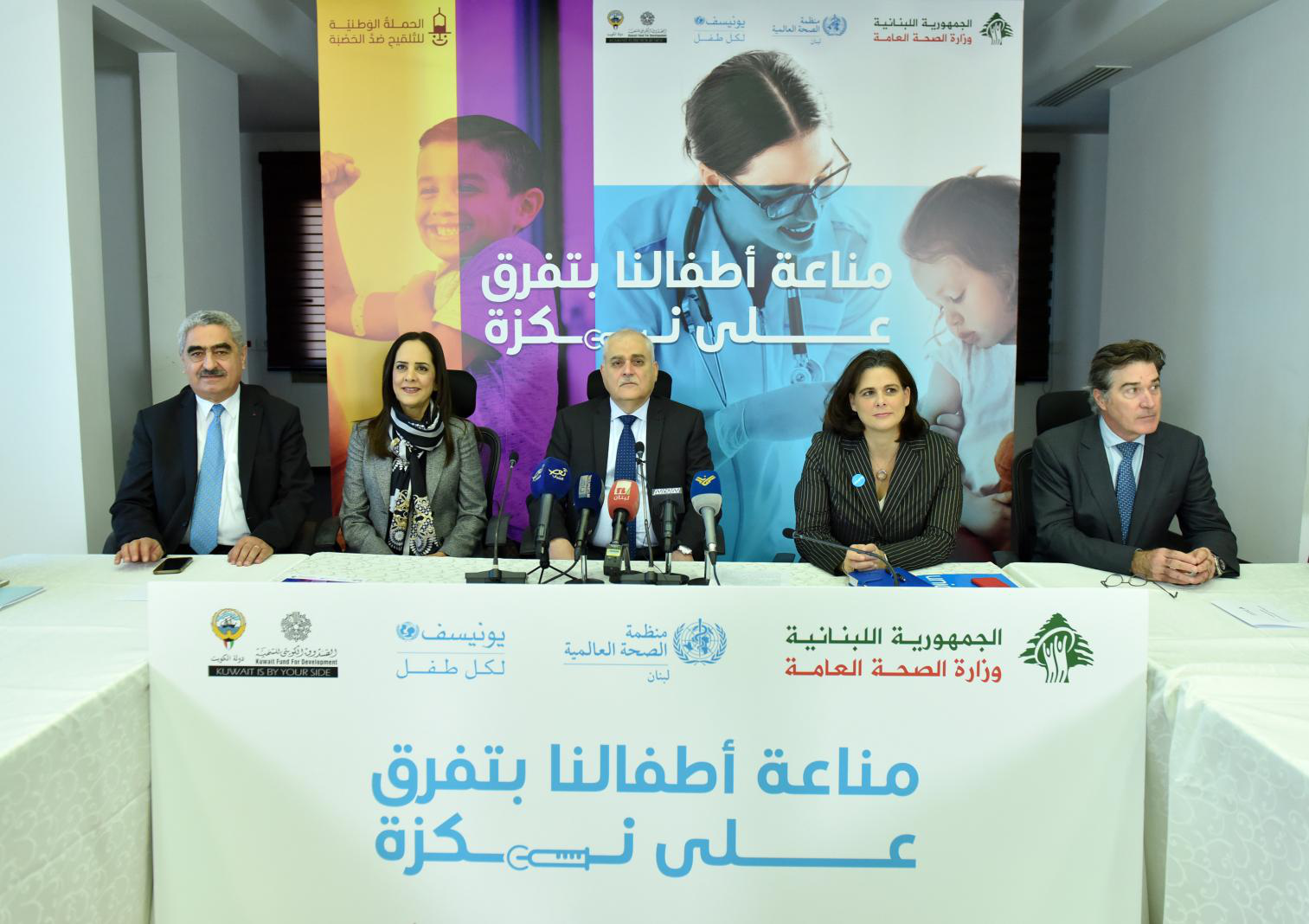
BMC Public Health (2020) 20:1439 https://doi.org/10.1186/s12889-020-09526-3. Image credit: © UNICEF2019/Fouad-Choufany/Lebanon
- Log in to post comments