










































Qualitative Research on Perceptions of Polio Vaccination in the Context of COVID-19 Vaccination (COVAX) Rollout in Cameroon and Ethiopia [Presentation from the Sharing Learning from Polio SBC Side Event at the 2022 SBCC Summit]
United Nations Children's Fund (UNICEF)
"Qualitative research is a fairly quick and effective way of gaining actionable insights into how caregivers perceive our activities."
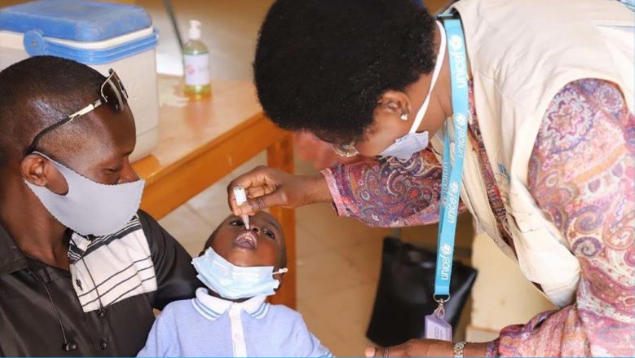
In this presentation, delivered at the Sharing Learning from Polio SBC: Misinformation, Social Data and Conflict side event at the 2022 International SBCC Summit, Ross McIntosh presents the findings of research the United Nations Children's Fund (UNICEF) did early in 2020. The qualitative research looked at perceptions of polio vaccines in the wake of the COVID-19 emergency in Cameroon and Ethiopia. (See Related Summaries, below, for access to the research.)
Working in Addis and Adama in Ethiopia, and Yaoundé and Bafia in Cameroon, UNICEF conducted 16 focus group discussions (FGDs) and 24 in-depth interviews (IDIs) in each country with caregivers of children under 5, polio frontline workers, healthcare practitioners, and social influencers. The purpose of this work was to understand how the experience of COVID-19 and the introduction of COVID-19 vaccines have affected community perceptions of polio vaccines and polio vaccination campaigns. UNICEF planned to use the insights that emerged to understand how polio social and behaviour change (SBC) strategies can be strengthened.
Essentially, the research showed that COVID-19 has created very considerable hesitancy around polio vaccination in Cameroon but very little in Ethiopia. Community members expressed all kinds of misperceptions of polio vaccination. In Cameroon, the most prominent fear was that the polio vaccine is a disguised COVID-19 vaccine or contains COVID-19 itself. There was also opposition from religious leaders and fears of side effects.
McIntosh stresses that vaccination modalities should be considered from the perspective of intended communities, urging: "we really need to speak to target communities to hear what they have to say about vaccination modalities before we make the decision to do them."
Among the audience questions and observations raised was one concerning standardisation of research tools for quantitative vs. qualitative investigations. McIntosh noted that UNICEF has developed tools for rapid social data collection and for polio outbreak response; Related Summaries, below, provides access to descriptions of how to go about doing this kind of quick qualitative research without outsourcing it to somebody else (e.g., in the case of the Cameroon and Ethiopia research, outsourcing it to FHI 360).
Click here, and then click on the Part 1 video recording, to locate and watch McIntosh's presentation (beginning at approx. 1 hour and 23 minutes into that recording).
Poliokit.org, January 5 2023. Image credit: UNICEF
- Log in to post comments