
























Development action with informed and engaged societies

After nearly 28 years, The Communication Initiative (The CI) Global is entering a new chapter. 

Following a period of transition, the global website has been transferred to the University of the Witwatersrand (Wits) in South Africa, where it will be administered by the Social and Behaviour Change Communication Division. Wits' commitment to social change and justice makes it a trusted steward for The CI's legacy and future. 

On the transfer, co-founder Victoria Martin expressed her pleasure to see this work continue under Wits' leadership, knowing that co-founder Warren Feek (1953–2024) would have felt deep pride in The CI Global's Africa-led direction. 

As Wits, we honour the team and partners who sustained The CI for decades and look forward building from that strong base. This includes co-founders Warren Feek (1953-2024) and Victoria Martin as well as La Iniciativa de Comunicación (CILA), which continues independently at lainiciativadecomunicacion.com with links to The CI Global site. We are also eager to forge new partnerships and entertain new ideas as we consider how best to contribute to social and behaviour change in our rapidly evolving environment.

If you are joining the International Social and Behaviour Change Communication (SBCC) Summit in Panama, please join Wits and CILA on Monday, 22 June, to share your thoughts and suggestion for the relaunch of the Communication Initiative. We will be in Pacifica 5 from 12-1:25 for the Refuel, Reflect, and Renew Lunch Series: The Communication Initiative: celebrating a driving force for Communication for Social Change and the way forward. We will reflect on the legacy of Warren Feek and family in creating the Communication Initiative, consider the contributions of CI over the years and then turn our attention towards the future in this dynamic session. 

If you are unable to join us in Panama, we still want to hear from you. Please contribute your thoughts by following this link: https://redcap.link/CommunicationInitiative2026 or reaching out to ci_surveys@commint.com

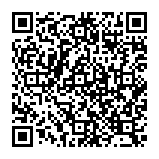
You can also follow the QR Code:

 https://redcap.link/CommunicationInitiative2026

Time to read
1 minute
Read so far

Quick Guide to Adapting the Strategic Communication Framework for Zika Prevention

0 comments
Image

Author

SummaryText

Based upon its comprehensive sister document (Strategic Communication for Zika Prevention: A Framework for Local Adaptation - available at Related Summaries, below), this guide provides concise, step-by-step guidance on how to adapt the strategic communication framework to a particular context. (The Framework provides a basic foundation and comprehensive illustrative content that can be adapted and expanded upon to create communication strategies tailored to the local context and the specific phase of the Zika response.) Developed by the Health Communication Capacity Collaborative (HC3), the guide walks the user through the entire process, using checklists and bulleted questions and tips.

Both the Framework and this guide are intended to be used in multi-stakeholder participatory processes led by the Ministry of Health (MOH), with participation from a variety of international, national, and sub-national actors. The process of developing a country-specific Zika communication strategy involves the following 4 steps, around which the guide is organised:

  1. Analyse Evidence: Understand the evidence base on Zika virus transmission, disease, and prevention.
  2. Utilise Models: Develop a model of behaviour change for Zika prevention.
    • The Social Ecological Model
    • The Extended Parallel Process Model
  3. Tailor Strategy: Adapt the Strategic Communication Framework to develop a country-specific strategy.
    • Situation Analysis
    • Audience Segmentation
    • Strategic Design
    • Monitoring and Evaluation
  4. Implement: Develop an implementation plan.

The guide concludes with a sample strategic design template and a list of resources.

Publication Date
Number of Pages

19

Source

HC3 website, September 22 2017. Image caption/credit: Community members in La Lima, Honduras, participate in a Centro Social La Paz community dialogue on Zika with health educators from Global Communities. © 2017 Brendan Bannon/USAID, Courtesy of Photoshare.