










































Reimagining Mobile in South Africa: Lessons from Year One
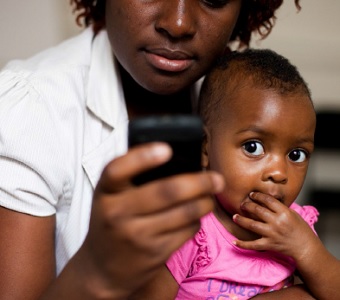
This 14-page report discusses the processes, successes, and lessons learned by Mobile Alliance for Maternal Action South Africa (MAMA SA) related to using mobile technologies to deliver health information to new and expectant mothers and their families. Working together with a consortium of organisations, MAMA SA is using mobile-based technology channels to provide information, improve access to clinical services, and build proficiency in research. This report reflects on the first year of implementation.
The report outlines how the expansive reach of mobile phones in South Africa provides a unique opportunity to use mobile technology and mobile social networking to address the country's significant maternal and infant mortality, as well as maternal health challenges, both physical and mental. MAMA, already operating in Bangladesh and India, officially launched in May 2013 in South Africa. According to MAMA, as of May 2014, the programme is reaching more than 350,000 women and their families.
MAMA SA uses several mobile-based channels to inform and empower mothers to adopt healthy behaviours and to access maternal and child health services. The initiative comprises: a free SMS (text messaging) programme offered through six inner-city clinics in Johannesburg, a community portal at askmama.mobi, an interactive quiz service, and a portal on Mxit (a popular mobile social network). Each channel "has a specific role to play in reaching the MAMA objectives of achieving scale, sustainability and impact within the target audience." In addition, each channel was chosen and developed based on what the key focus group of mothers was already using and comfortable with.
MAMA's Theory of Change relies on "a number of inputs (funding, technical assistance, mobile network infrastructure, etc.) and an initial set-up process to develop the appropriate partnerships, software platform and sustainable business model", which can contribute to creating "a virtuous cycle of content sharing, information exchange, and user engagement." The theory of change is based on the premise that with "increased access to high quality, relevant local health information, mothers and families would demonstrate improved health-seeking and preventative behaviors, including uptake of antenatal care, early care-seeking in response to childhood illness, hand washing, cord care, etc., that should ultimately contribute to improved maternal and child survival."
The report discusses the process of content development, which included developing locally relevant, platform-specific content and testing both the approach and technical aspects of the information being communicated. The project has also used mixed marketing approaches to attract women and new mothers to the platforms, which included mobile-based marketing, interpersonal communication, printed flyers, and television (through collaboration with the popular daily television drama programme Generations).
As stated in the report, supporting HIV-positive pregnant women and mothers is a key content focus area. "As such, the mobisite has a variety of topical guides around HIV during pregnancy, and for feeding and caring for the baby. All subscribers can also choose to receive additional messages on HIV when they sign up for the SMS programme." The content provided by MAMA SA "works to support HIV-positive women to have healthier pregnancies and children by encouraging earlier antenatal check-ups and HIV testing, reinforcing adherence to treatment regimens, addressing myths, concerns and stigma, and providing motivational messages and encouragement."
Continuous monitoring of the initiative is helping to track and improve impact. Monitoring data showed that "enrolment for the stage-based messages on the mobisite reveal that the majority (73%) have already given birth and are looking for information to care for their baby, while the rest (27%) are pregnant. Recent polls on the MAMA mobisite indicate that it is also reaching its target audience - the majority of respondents are unemployed (77%), more than half live in a rural province (54%) and receive a government assistance grant (52%), and nearly half live in a household with a combined monthly income of $180 USD or less..."
Note: In August 2014, the South African Ministry of Health launched MomConnect, a flagship government initiative building on the pioneering work of MAMA South Africa. MomConnect uses mobile technology to register every pregnant woman in South Africa, encourage earlier antenatal care, and educate and empower expectant and new mothers.
Mobile Alliance for Maternal Action South Africa (MAMA SA) website on September 2 2014.
- Log in to post comments