











































Sexploitation in Tanzania - how a radio show is helping young people
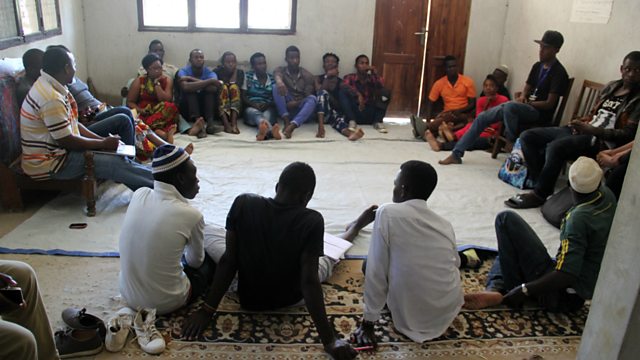
Author: Gaure Mdee, July 20 2016 - We arrived in Kahama in north-western Tanzania on a cool Thursday afternoon. The town is home to one of the country’s largest gold mines but unemployment here is high. Many people struggle to make ends meet in spite of the riches that lie hidden below the ground.
Our radio show Niambie (Tell Me) aims to give young people a voice. We had travelled to Kahama to make a show about how corruption affects them and ways in which the community can tackle the problem together. As a national corruption chief told us during our visit, 'corruption is rife and rampant here.'
In preparation for the show we interviewed young people at the offices of local youth development charity Kahama Heroes. Young people spoke openly.
They knew and trusted the Niambie presenters and wanted to talk. Many spoke about their experience of petty corruption but we found that one of the most common and shocking complaints related to sexual exploitation, or 'sexploitation' - the abuse of power for sexual advantage.
Sexploitation
"My rent was way overdue, and the landlord kept reminding me," said Malaika, a young, unemployed woman. "One day he knocked on my door and told me he was going to throw my stuff out into the street if I didn’t pay. I told him I didn’t have the money and needed two weeks so he suggested that I pay in other ways."
Aisha, another woman told us about her struggle to find employment. After applying for a job, a man invited her to discuss the vacancy at a nearby hotel. On arrival, she was greeted with a proposal that she said horrified her, "He told me that if I wanted a job, I would have to sleep with him" she said. "I had to trick him by [saying I was] going to the bathroom…so I could escape."
The experience of sexploitation isn’t confined to women. One male member of the group, an aspiring musician, spoke of having a "sugar mommy" who promised him wealth and connections to the music world in return for sex.
Economic vulnerability can often lead to abuse of power - and if young people don’t speak up, nothing will ever be done about it.
During the radio programme, the audience learned more about their rights from the Niambie radio presenters and senior police officials - who urged young people to challenge and report cases when they came across them.
Sexploitation has become part and parcel of young people’s lives in Kahama. Through our radio programme I hope many more young people in Tanzania will recognise the menace of sexploitation when they see it, understand their rights - and that communities can take action as a whole to combat the practice.
Click here to access this BBC Media Action blog and related links on their work in Tanzania.
Image credit: BBC Media Action
Contact:
BBC Media Action
BBC Media Centre, MC3A, 201 Wood Lane
London
W12 7TQ
United Kingdom (UK)
Phone: 44 (0) 20 8008 0001
Fax: 44 (0) 20 8008 5970
Media.action@bbc.co.uk
- Log in to post comments