











































Sexuality and Social Justice: A Toolkit
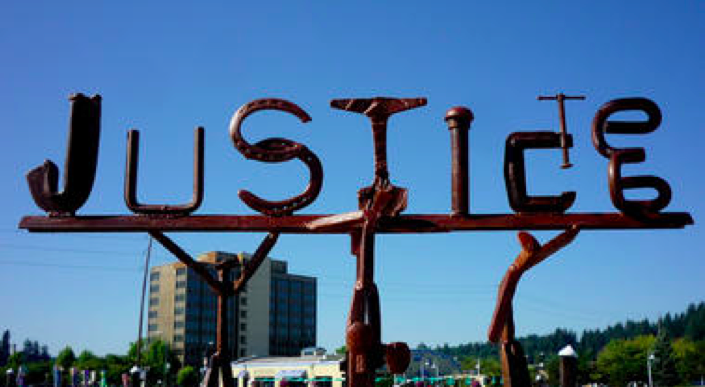
This interactive toolkit is designed to be an accessible, user-friendly resource to assist activists, civil society organisations, practitioners, and others in understanding some of the most pressing issues relating to sexuality, gender identity, and social justice. In particular, the toolkit is meant to document the learning from the Sexuality, Poverty and Law (SPL) Programme at the Institute for Development Studies (IDS), which seeks to provide new evidence-based knowledge and new policy options that support efforts to: (1) strengthen, through legal reform, the rights of LGBTI (lesbian, gay, transgender, bisexual, and intersex) people and others marginalised because of their sexuality; and (2) support LGBTI people and others marginalised because of their sexuality to establish sustainable livelihoods. It also includes further resources and information produced by others not part of the SPL programme.
The toolkit is designed to respond to the fact that there are many people around the world who are being excluded from the process and benefits of development because of their sexuality. “Policies designed to lift people out of poverty, to provide employment and access to crucial services, all too often exclude those who do not conform to ‘normal’ sexual or gender identities. In many countries, this exclusion is also enforced through law.” To respond to this, researchers from IDS have been working closely with partners and local communities that are most affected, to provide evidence-based, practical campaign options to help activists and policy makers overcome these challenges, strengthen sexuality rights and challenge social injustice.” This toolkit has been developed to share the learning on strategies to strengthen rights and improve the lives of those marginalised because of their sexuality.
The toolkit provides guidance, supported by case studies, on the ways in which activists, lawyers, donor agencies, and non-governmental organisations (NGOs), amongst others, can use policy and the law to challenge exclusion and marginalisation related to sexuality. “It breaks down legal jargon and outlines the key aspects of policy-making and legal processes in an accessible format. It also provides insights into the challenges of working on the law in relation to sexuality, such as the dangers of visibility in sexuality-activism and the risk of more punitive laws or violent backlash when sexuality-related issues are raised.”
The toolkit contains the following sections:
- Issues and Debates - This section outlines some of the key issues and academic debates taking place around sexuality, poverty, and the law. These summaries give readers a brief introduction to what is being talked about, the arguments being made, and the evidence being used.
- Policy and Law: What you need to know - This section is designed to give readers confidence to understand political processes and the legal language they will encounter.
- Taking Action: What you can do - This section introduces some of the ways that activists and others have worked successfully with local communities, engaged in policy processes or challenged the law, to effect positive change. Readers will find examples of different approaches and an outline of what works and in what contexts.
- Practical Tools - In this section, readers will find a range of practical tools to help guide and strengthen their work. The section offers activities with learning objectives and clear instructions as well as resources and an interactive forum where readers can post their tips.
- Information and Resources - This section contains references and links to additional resources, including a selection of relevant articles, books, clips, reports, guides, and databases - most of which are freely available on the internet.
English
Sexuality, Poverty and Law Programme website on October 2 2017.
- Log in to post comments