











































Social Media Analytics: A Practical Guidebook for Journalists and Other Media Professionals
"Tips, tricks, and tools that help small media outlets boost their social media presence and audience development."
DW Akademie's Social Media Analytics Guidebook is designed to help media professionals engage more successfully with their online audiences. Many managers of small and medium-sized media outlets in the Global South see the need to become more active in supplementing their offline broadcasts with online content, engaging in community-building activities on social media. If these efforts are to be more than just trial and error, social media analytics requires a systematic approach, according to DW Akademie.
The guidebook is intended for outlets that are active on social media but have little or no experience in analytics reporting. Incorporating lessons from the activities of 6 partner radio stations in 4 African countries, the resource features a client-centred approach that involved looking over the shoulder of people who are, for example, working to position their small rural community radio station in the digital sphere. It focuses strongly on Facebook, but also contains tips on Twitter and YouTube analytics, as well as user data analysis for WhatsApp. (Instagram is not covered in this guide because, at the time of writing, very few DW Akademie partners in Africa were active on the platform.) The book also introduces key performance indicators (KPIs) and guidelines on how to develop your own benchmarks.
The guide includes 7 main parts:
- Part 1 approaches social media analytics from the point of view of media outlets' most frequent needs.
- Part 2 explores what different social media metrics mean.
- Part 3 looks at resources for analysing online communication.
- Part 4 explains how to use free analytics tools to find out more about communication with an audience.
- Part 5 focuses on how to present social media analyses to managers or advertisers.
- Part 6 provides guidance for trainers who want to use this guide in workshops.
- Part 7 contains a glossary that explains technical terms related to social media analysis.
Five tips from the guide include:
- Put in writing why you are using social media and how social media can help your business - For example: "Younger people are less likely to listen to the radio than older people and are more likely to consume entertainment and news through their phones. By using Facebook, we aim to create a connection between our station and under 30-year-olds to support the station's long-term viability."
- Decide what you want to measure - The most relevant measurements for your station will be the ones that can be linked to your business objectives.
- Understand your audience - By analysing your social media channels, you can create content that is more relevant to your audience and reach them when they are receptive to hearing from you.
- Experiment - One of the dangers of social media analytics is that it can lead you down a path where you only do what has worked before.
- Build in-house capacity to make informed decisions - By investing in training and designating staff to regularly check your social media data, you will gradually build the capacity to recognise and understand long-term trends.
Publishers
48
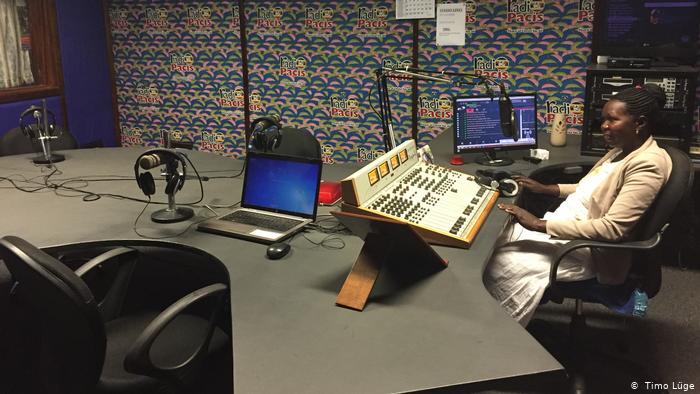
DW Akademie website and "Social media analytics: 5 Tips to better connect with your audience", by Timo Lüge - both accessed on December 3 2019. Image caption/credit: A presenter prepares to go on air at Radio Pacis in Arua, Uganda. Timo Lüge
- Log in to post comments