










































1 minute
Strengthening Health Worker-Community Interactions through Health Literacy and Participatory Approaches
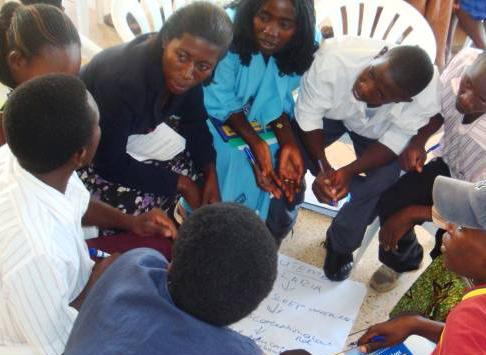
These two training manual/ training results reports are based upon work in Uganda and in Zambia on people-centred health systems organised to involve and empower people and create constituencies to protect public interests in health by effectively engaging health workers and communities. A network of institutions in the Southern Africa region, led regionally by the Training and Research Support Centre (TARSC), Zambia's Ifakara Health Institute, and Uganda's Coalition for Health Promotion and Social Development (HEPS Uganda), both of the Regional Network for Equity in Health in East and Southern Africa (EQUINET), explored the role of participatory processes for strengthening health worker-community interactions in planning and implementing health systems and in supporting primary health care (PHC)-oriented approaches to health care. These documents describe the training sessions of March and April 2011, which aimed to build a learning network of community-based institutions and share learning and experience in this area.
Contents of each include the following chapters appropriate to the two locations:
- "Background
- Opening
- HEPS Uganda/ LDHMT [Lusaka District Health Management Team] and TARSC work on health
- Using participatory approaches in health
- Understanding health worker community Interactions
- Mapping factors affecting health worker community interactions
- Prioritizing health needs, identifying and addressing the causes
- Deepening knowledge of priorities using health literacy
- Addressing barriers to health worker- community interaction
- Acting on, monitoring and reporting on priorities
- Assessing change/ Existing structures for health worker-community interactions
- Closing.
- References
- Appendices
- 14.1. Participants List
- 14.2. Programme"
20
EQUINET website, September 20 2011.
- Log in to post comments