










































Using Child Helplines to Protect Children from School Violence
Plan International (Bazan, Laurie), Child Helpline International (de Vries, Martens, Champalimaud)
"All over the world, irrespective of income levels, class or culture, children are faced with violence and abuse in schools.... In fact, child helplines worldwide receive an average of ten contacts per day, every day, about violence and abuse."
This document from a joint effort by Plan International and Child Helpline International (CHI) is based upon a two-month pilot study in four countries from different cultures and regions - Egypt, Paraguay, Sweden, and Zimbabwe - looking at the three main forms of violence and abuse children face at school: corporal punishment, bullying, and sexual abuse.
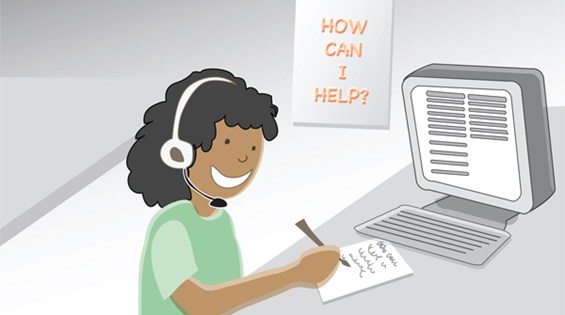
The study focuses on the function of child helplines in addition to face-to-face communication with all members of the community, including parents and school authorities. "Toll-free phone lines, online chat rooms, SMS text messages and letter boxes in remote areas - to name just a few methods - provide children with readily accessible, confidential means to reach out for help. In countries where the child protection system is porous, child helplines often also step up and provide direct interventions, shelter, mediation and rehabilitation services to children and young people reaching out for help."
Helplines can report cases of abuse and provide counselling, referrals, follow-up, and other services. "Additionally, child helplines can use the data from the contacts that they receive to inform, influence and create policy on children’s rights issues at various levels." This data is based on "direct, unadulterated contact with children" and can establish baseline and follow-up data for policymakers on the needs for child protection.
"Based on the data collected for the study and the analysis therefore, this report makes three recommendations which may help stop school violence:
- Child helplines are a key element in any holistic child protection system and must be strengthened so that they are free, accessible and widely promoted to school children;
- Child helpline data should be used to inform policy related to the well-being of children;
- All members of the community, especially parents and school authorities, need to be trained on how to prevent school violence and how to support affected children. By not reporting or responding seriously to complaints of school violence, authorities collude with the notion that abuse is normal. This leads not only to more antisocial behaviour at school, but also helps perpetuate the intergenerational cycle of violence. "
Email from Davinder Kumar to The Communication Initiative on August 12 2014.
- Log in to post comments