










































World Radio Day 2015
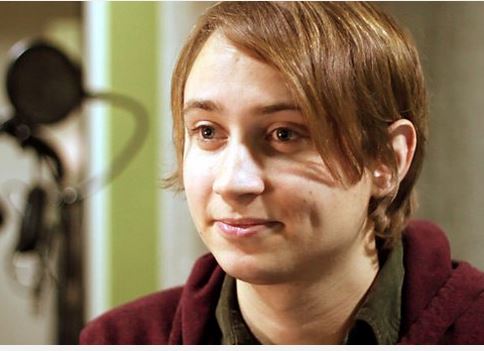
Author: Tom Baker, February 18 2015, originally posted on World Radio Day, themed "Youth" (February 13 2015) - In this interview, Tom Baker explains how BBC Media Action is using the unique power of radio to inform, connect and empower young people around the world.
There are so many development days in the calendar, why does World Radio Day stand out for BBC Media Action?
We’re celebrating World Radio Day because radio plays such an important role in helping young people have a voice around the world - whether it’s to share their opinions or concerns, debate issues that matter to them or even to hold those in power to account.
Give us a flavour of the type of youth radio shows BBC Media Action is producing in Africa…
In Somalia we’re reaching younger audiences through a weekly radio drama called Maalmo Dhaama Manta (Better Days than Today). Essentially it’s a soap opera following young characters as they go through life’s ups and downs.
Most excitingly, every four weeks we give listeners the opportunity to vote on the outcome of the drama and the direction the characters will take.
In Tanzania we have a national radio show called Niambie (Tell Me) which is all about giving young people the information they need ahead of the local parliamentary and presidential election.
There’s a whole generation voting for the first time. They will be voting for a new government and possibly even a new constitution so it’s really important that they get reliable and clear information.
In Nigeria we’ve also been doing a lot ahead of elections. BBC Media Action’s Nigeria team are working on a really diverse set of entertaining clips that are broadcast all across the country to really capture the imagination of young people in Nigeria.
In a world full of new technology, why is radio still relevant?
What’s special about radio is its enduring popularity and that reaches more people in more places than any other medium.
More importantly it allows us to reach people in rural communities which we just wouldn’t be able to do with things like the internet.
Click here to access this BBC Media Action blog and related links on their work in radio.
Image credit: BBC Media Action
Contact:
BBC Media Action
MC3A BBC Media Centre, 201 Wood Lane
London
W12 7TQ
United Kingdom (UK)
Phone: 44 (0) 20 8008 0001
Fax: 44 (0) 20 8008 5970
Media.action@bbc.co.uk
- Log in to post comments