










































Journalism and Whistleblowing: An Important Tool to Protect Human Rights, Fight Corruption, and Strengthen Democracy
Inter American Institute of Human Rights
"Whistleblowing is the most effective way of uncovering corruption and other wrongdoing. Robust legislation is vital to protect whistleblowers against retaliation and other abuse, and to ensure their reports are properly addressed." - Anna Myers, Executive Director, Whistleblowing International Network
This brief examines the relationship between journalism and whistleblowers as an important tool to protect human rights, fight corruption, and strengthen democracy. It shows how the protection of whistleblowers and journalists is a mutually beneficial relationship that is a matter of public interest. The paper provides a survey of legal definitions and protections for whistleblowers in jurisdictions around the world and concludes with good practices and recommendations for strengthening the protection of whistleblowing through improved laws, regulations, technologies, and training opportunities.
The brief is part of the United Nations Educational, Scientific and Cultural Organization (UNESCO) series "World Trends in Freedom of Expression and Media Development", which seeks to offer timely insights into new and evolving challenges in the field of freedom of expression and media development. Drawing from the expertise of specialists in the given topic, the briefs offer summaries of pressing issues and recommendations for action (see Related Summaries, below, for some of the recent publications in this series).
As explained in the brief, "The relationship between journalism and whistleblowers has been generally beneficial for both. On the one hand, investigative journalists rely on information provided by people who know first-hand about irregularities in their field of work. This information is often crucial to begin a journalistic investigation or to verify available data. On the other hand, many whistleblowers prefer that their complaint about irregularities be made to the press rather than to the heads of the institution concerned or to judicial or law enforcement authorities. The reasons to decide to go to a journalist rather than a judge may be due to a lack of confidence in State institutions that are tasked with receiving and processing the complaint."
The brief investigates some of the legal guarantees and general protection measures that exist for whistleblowers and journalists to ensure they do not suffer reprisals for their actions and from their investigations. The findings show that:
- In many countries, blowing the whistle is a risky decision to make, primarily because there is no, or insufficient, legal protection for whistleblowers.
- Although there are some legal protections, they are often not enough to protect journalists and their sources. For example, even though there are international standards that affirm the principle of protecting journalists' sources, in many cases, these standards are not respected.
- Whistleblowers - whether they go to the media or directly to the authorities - must therefore have guarantees that their actions do not lead to negative consequences, such as financial sanctions, job dismissals, problems for their family members or circles of friends, or threats of arbitrary arrest.
- When whistleblowers approach journalists, they sometimes require the protection of their identity. For this to happen, journalists need to respect the professional ethic of confidentiality, and they need to not be subject to legal sanction for refusing to reveal their sources.
- Blowing the whistle should be understood as an exercise of the right to freedom of expression, not only as an instrumental tool to fight corruption or expose human rights violations.
In conclusion and based on current best practice, the brief looks at the most important conditions that must exist for whistleblowers to express themselves freely in the public interest and for journalists to work with whistleblowers in a way that protects the mutually beneficial relationship. Based on these conditions, the brief recommends promoting and/or strengthening the following:
- Laws and practices that allow protecting the whistleblower's identity if they choose;
- Regulations, laws, and practices that allow journalists to keep confidential their sources of information;
- Technologies that allow whistleblowers to file complaints without revealing their identity;
- Organisations in different parts of the world specialised in giving legal and other support to whistleblowers before or after their statements;
- Journalist training to advise whistleblowers;
- International standards that oblige States to adopt adequate legislation to advance incentives and avoid negative consequences for disclosures of whistleblowers;
- Legislation that prevents unjustified lawsuits against a whistleblower for their statements; and
- Increased dialogue between journalism groups and whistleblowers' defenders to understand better their roles, responsibilities, and ways to strengthen democracy and the rule of law.
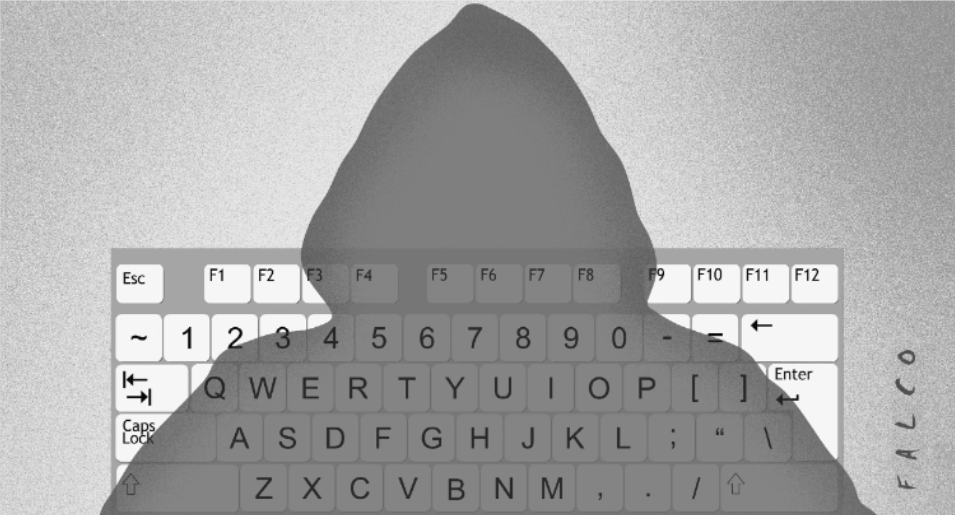
UNESCO website on May 18 2022. Image credit: Falco, courtesy of Cartooning for Peace
- Log in to post comments