










































Empower women to fully participate in addressing development issues that affect them
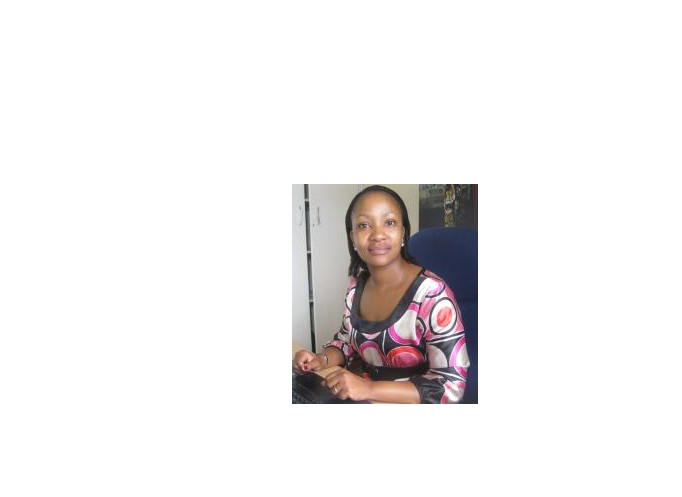
Author: Mamoletsane Khati, originally posted on March 8 2017 - The theme for International Women’s Day 2017 is #BeBoldForChange. The theme encourages us to challenge the socio-economic, political and cultural barriers towards women development and calls for women to actively participate in challenging the gender gap and inequalities to ensure their development.
Women in Southern Africa face several inequalities compared to their male counterparts. This gender gap is brought about by the challenges of low education, health and high violence that women are be subjected to. This gap is also evident in business and politics and makes it hard for women to realize their full potential and as thus achieve the required empowerment and development as stipulated in the Sustainable Development Goals No.5 which seeks to achieve gender equality and empower all women and girls.
The following are some of the specific challenges that hinder women’s participation in development processes:
- Limited access to formal education: Women have limited access to and use of formal education due cultural and traditional beliefs as well as practices which leave women with lesser opportunities to be in school. This therefore results in high female illiteracy in southern Africa and increases women’s dependency on men for economic as well as social decision making from the household to the national level.
- Traditions, attitudes, stereotypes and prejudices against women’s participation in economic, political, and social processes: The patriarchal system and the belief that men have the last word in relation to the well-being of women. This has led to women’s limited decision making even in issues that affect them directly, such as health. Women cannot decide on the number of pregnancies, child spacing and general issues about their reproductive health. This has led to their limited decision making even in issues that affect them directly, such as health. They have been exposed to numerous health burdens such as frequent pregnancies and malnourished children. Practices such as child marriage expose girls to early child bearing and therefore frequent and unbalanced spacing of children.
- Lack of access to land, credit, and modern agricultural equipment, techniques, and extension services: Women make the majority of agricultural workers but get the least returns from the work that they do. They have no decision over the agricultural produce beyond what is used to feed the families. They have limited access to money that can be made from agriculture and deciding over assets like land. However, improving women’s rights to economic resources such as land builds their capital assets and thereby minimizes their economic dependence.
- Limited access to jobs: Women are usually denied equal access to jobs. In some cases, women are more employable than men yet they earn less than men when doing the same jobs. They further engage in unpaid and unrecognized care and domestic work. Less women are in the business and political positions.
We need to realize the potential, skills and commitments that women have in order to ensure we take stock of their importance in development. The change must therefore take place at both a personal and social level. The change should take into consideration the institutions, policies and systems that can promote women participation.
Economic participation is the driver for other social, cultural and political dependence. Improving women’s participation will ensure positive changes for women by building their confidence and self-esteem to be able to make relevant decision making at the personal and social level.
Panos Institute Southern Africa (PSAf) believes women should be included in the decision regarding their development. This does not only ensure their empowerment but also the development of their households and as thus the global development. Among many interventions, PSAf implements the Women@Work project that seeks to promote the right to decent work, which among others entails better work conditions and wages for women. PSAf is also implementing the Women Empowered for Leadership project which is advocating for increased participation of women in leadership, building positive images of women in leadership and influence. PSAf also strives for favourable policies and processes that will alleviate poverty, improve maternal mortality rates, reproductive rights, increase education for girls and ensure women of a more sustainable income as a way of ensuring improved living conditions and sustainable livelihoods for women.
The author is PSAf Regional Manager for the Public Health Programme. For feedback, email: mamoletsane@panos.org.zm
- Log in to post comments